
Wisdom Teeth Removal - Los Angeles, CA
Impacted, infected or crowding wisdom teeth, removed with a 3D scan to plan around the nerve, local anesthetic, and nitrous, oral or IV sedation for your comfort.

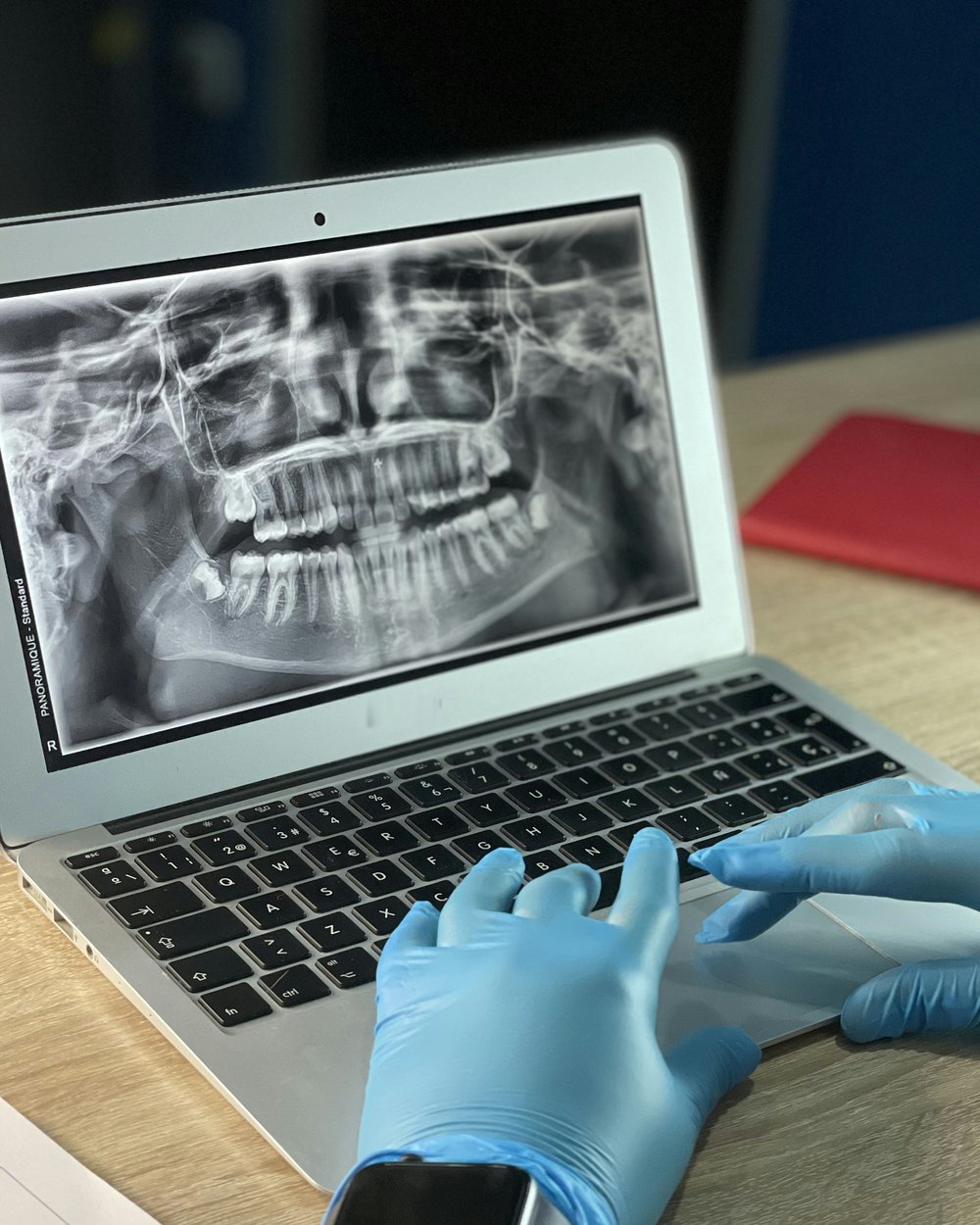
When wisdom teeth should come out.
Not every wisdom tooth needs removing. An exam and an X-ray decide it.
- 01ImpactedTrapped in the bone or gum, unable to come in.
- 02Partly eruptedA flap of gum that traps food and bacteria.
- 03InfectionPain, swelling and a bad taste at the back.
- 04CrowdingPressure on the teeth in front of them.
- 05DecayToo far back to brush and floss well.
- 06Damage to neighborsDecay or bone loss on the second molar.
- 07CystsFluid sacs that can form around the tooth.

Most mouths do not have room for a third set of molars.
Wisdom teeth usually arrive between 17 and 25. When there is no room, they come in at an angle, stay trapped in the bone, or break through only part way, where they are hard to keep clean. Removing them earlier, while the roots are shorter, generally means an easier recovery.
From scan to healed.
- Step 01
The consultation
An exam and a panoramic X-ray or 3D scan show where each tooth sits, its roots, and the nerve nearby. You choose the sedation.
- Step 02
Comfort
Local anesthetic numbs the area. Nitrous, oral or IV sedation is available, and with IV sedation most patients remember little of the visit.
- Step 03
The removal
Each tooth is removed with the bone and gum around it protected. Small stitches may close the site.
- Step 04
Recovery
Gauze, ice and soft foods for the first days, with detailed aftercare instructions. Most patients are back to normal within a week.
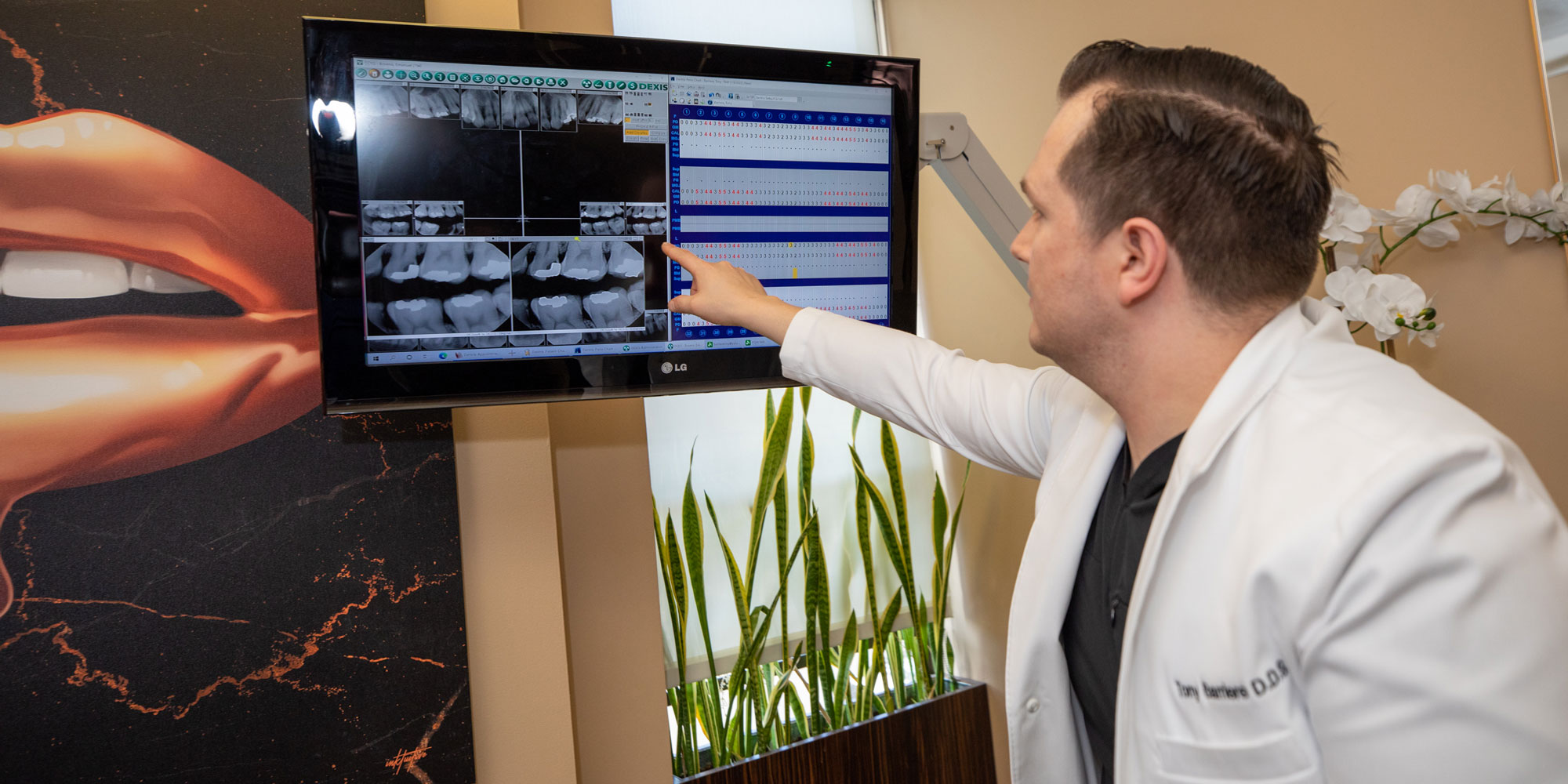

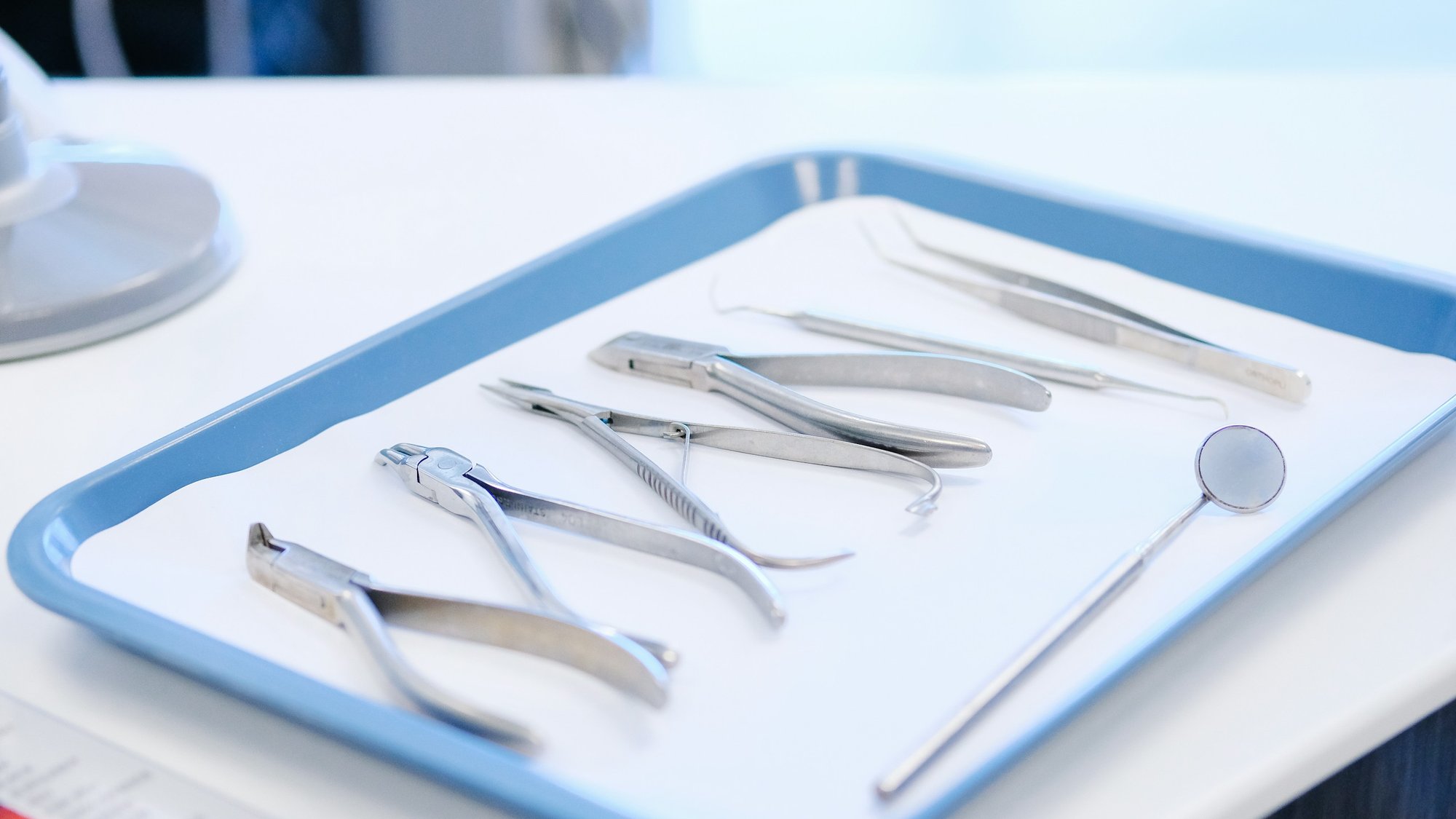


A surgeon for your wisdom teeth.
Dr. Barriere has more than a decade of wisdom tooth experience and completed a yearlong surgical residency at NYU Langone. He plans each extraction on a 3D scan and offers IV sedation in the office.
- Ohio StateCollege of Dentistry
- NYU LangoneYearlong surgical residency
- 1,000+ hoursContinuing education
- AACD · AAID · ADAMemberships
The first few days.
A clot forms over each socket and protects the bone and nerve beneath. The aftercare is about keeping it there.
Bite on gauze for the first hour, use ice on the cheek, and rest. Eat soft, cool foods. No straws, spitting or smoking for the first days: the suction can dislodge the clot.
Some swelling and soreness peak around day two or three, managed with the medication advised. Call if pain gets worse after day three, or if bleeding or fever do not settle.
- GauzeThe first hour
- IceThe first day
- Soft foodsFor a few days
- No strawsProtect the clot



Wisdom teeth questions.
No. Impacted, infected, crowding or painful wisdom teeth do. Healthy, fully erupted ones that can be cleaned can stay. An exam and an X-ray decide it.
Often in the late teens or early twenties, when the roots are not yet fully formed and healing tends to be quicker. Adults have them removed too. The practice sees patients from 12 years old.
If you choose IV sedation, most patients remember little or nothing of the procedure. Local anesthetic alone, nitrous or oral sedation are also options.
The area is numbed, so the removal itself should not hurt. Expect soreness and swelling for a few days, managed with the medication advised.
Most patients rest for a day or two and are back to normal within a week. Impacted teeth can take a little longer.
A painful complication when the blood clot over the socket is lost and the bone and nerve beneath are exposed. Following the aftercare, especially no spitting, straws or smoking for the first days, is how it is avoided.
Soft, cool foods such as yogurt, smoothies eaten with a spoon, eggs, soup that is not hot, and mashed potatoes. Return to normal foods as comfort allows.
Usually, when all four need to come out, in one visit and one recovery. Dr. Barriere sets the plan at the consultation.
Most PPO plans cover part of it when it is needed. The team checks your plan and files the claim.
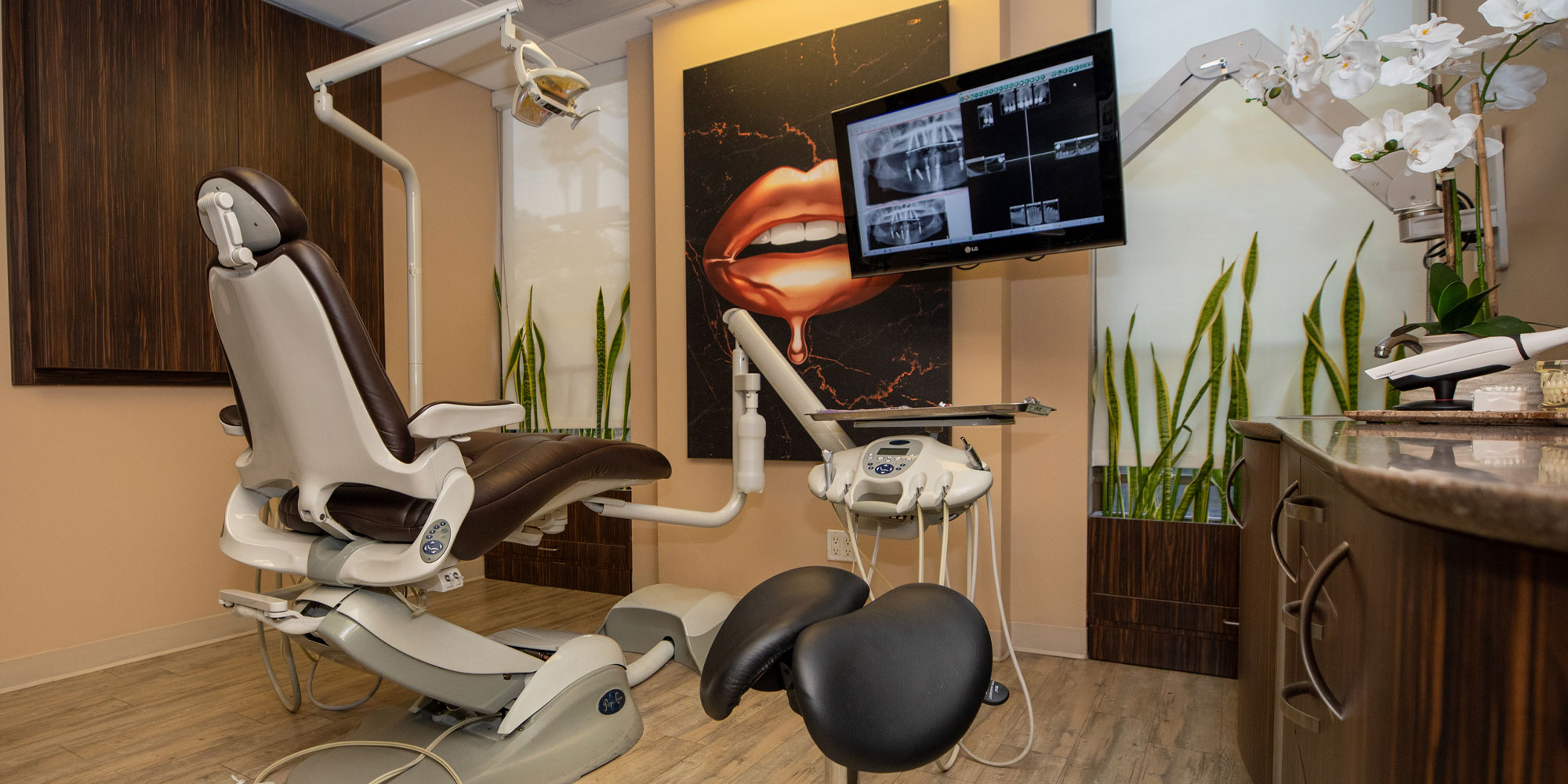
Get them out of the way.
A consultation, an X-ray, and a plan for removal with the sedation you choose. The team replies within one business day.
Same-day emergency appointments