
Failing Dental Implants - Los Angeles, CA
Implants succeed about 98 percent of the time nationwide. When one does not, the cause is usually infection around it, and infection can be treated. Bring the implant, whoever placed it.
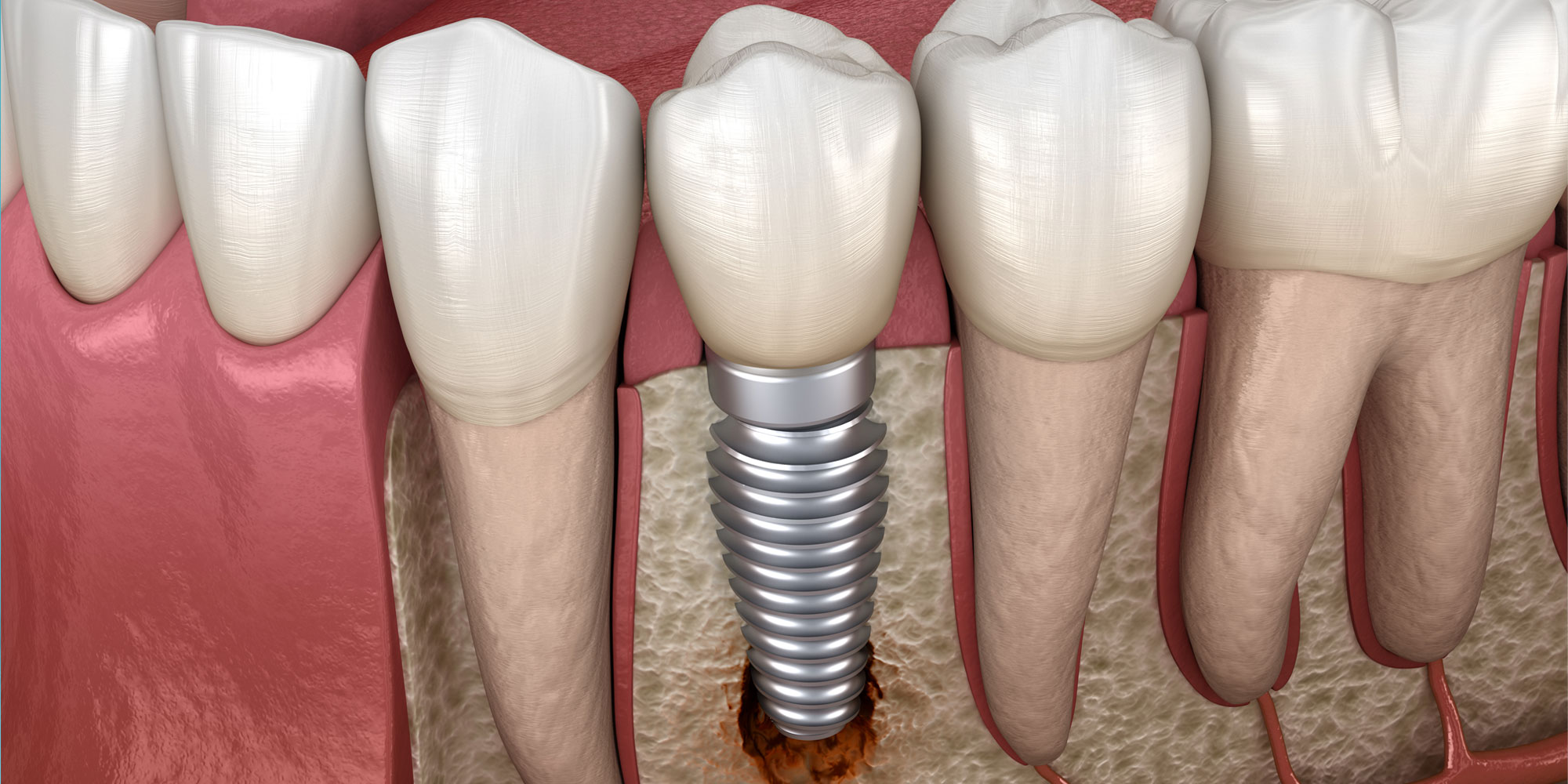
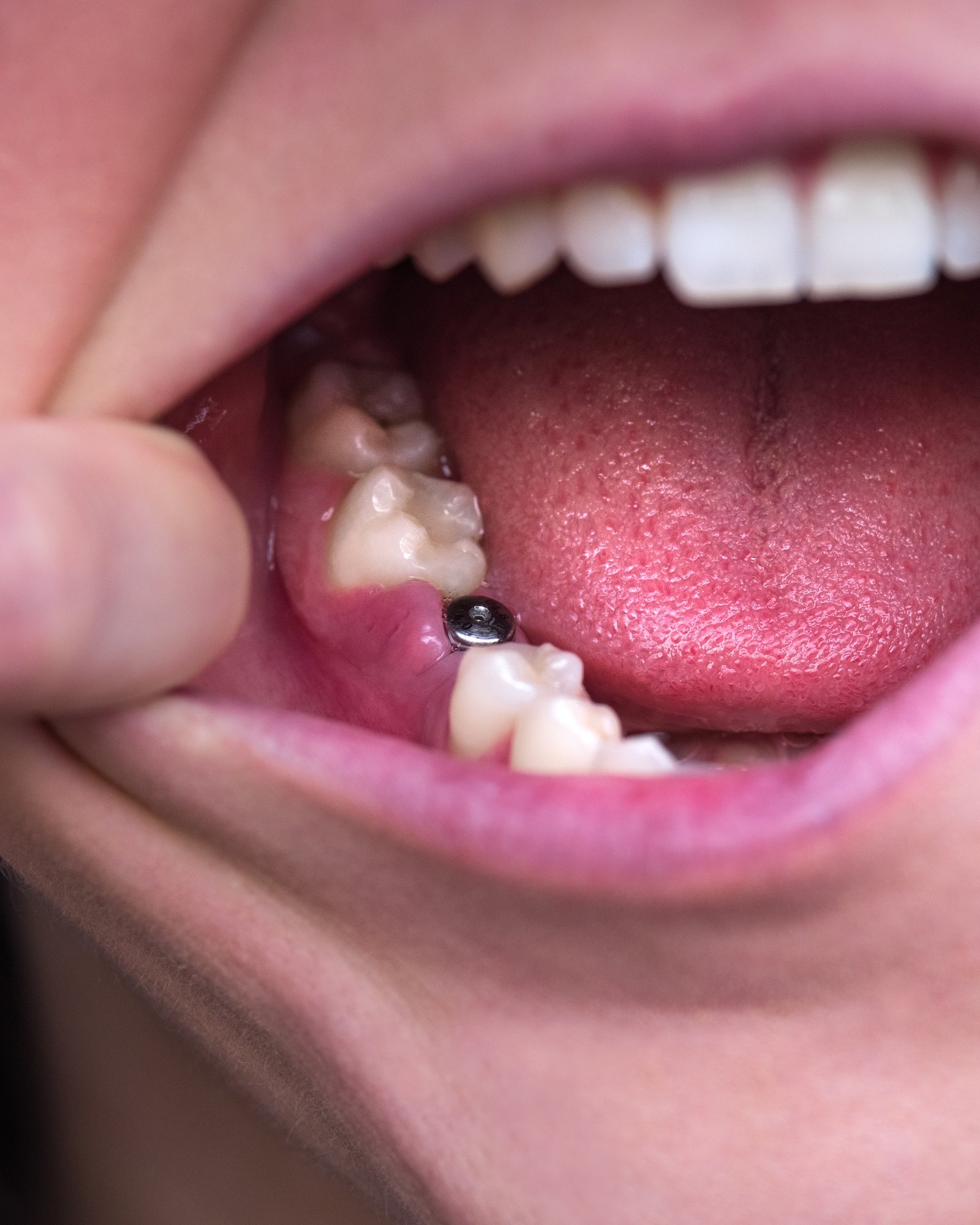
Seven things to notice.
Any one of these is a reason to be seen this week, not next year.
- 01A loose implantMovement of any kind, however slight.
- 02Sore, inflamed gumsTenderness or redness around the implant.
- 03Blood or pusOn the gums when you brush, or at any time.
- 04Deep pocketsThe gum pulling away from the implant.
- 05A visible postMetal showing where gum used to be.
- 06Receding gumsThe crown looking longer than it did.
- 07Receding boneSeen on an X-ray, felt as looseness.
Peri-implantitis is gum disease around an implant. Left alone, it takes the gum, the bone, then the implant.
Poor grafting, a bad extraction, bad bridgework or an implant placed at the wrong angle can all start it. Whatever started it, the treatment begins by removing every trace of infection.
How a failing implant is treated.
- Step 01
Diagnosis
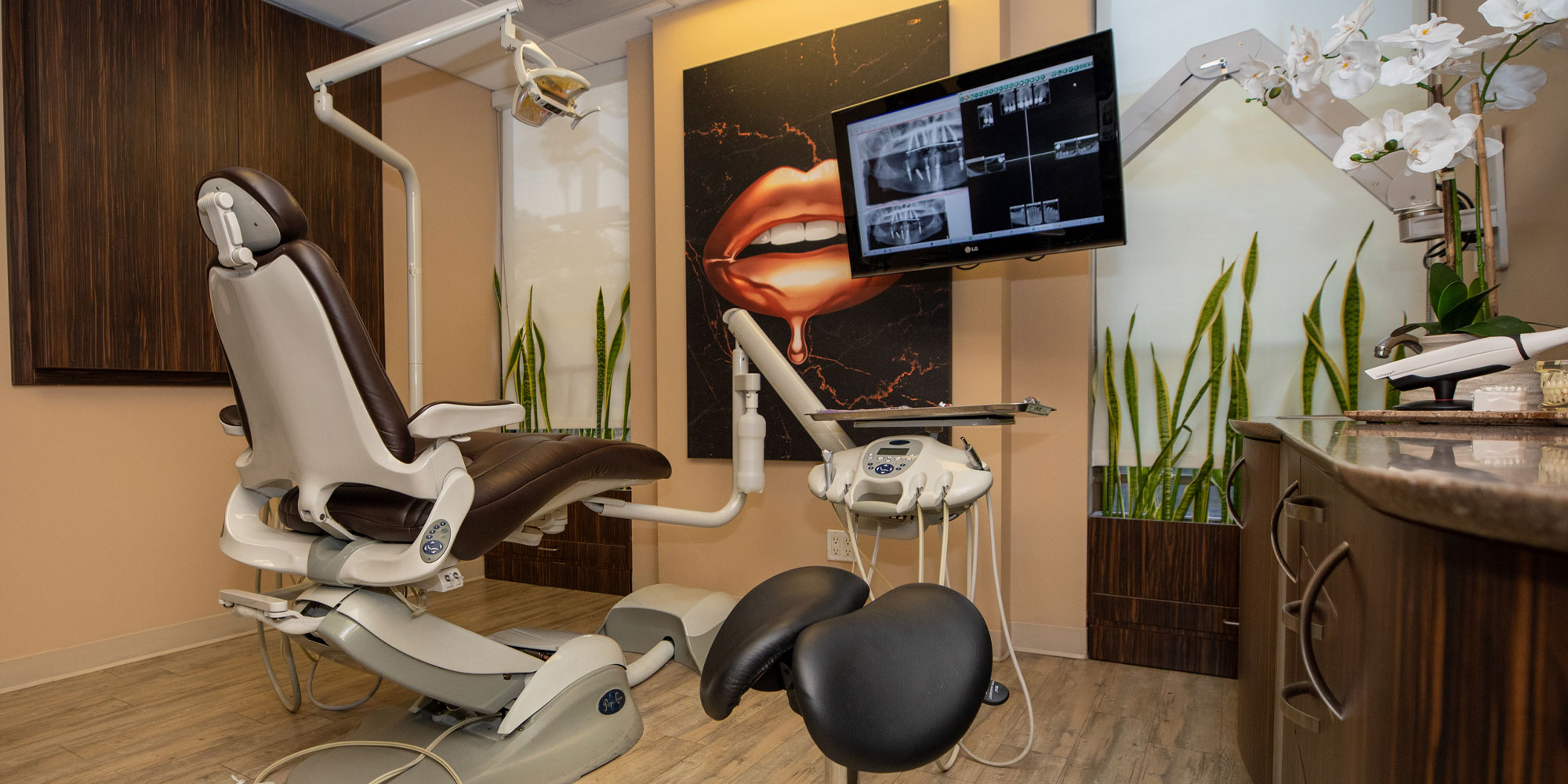
A 3D cone-beam scan shows how much bone remains around the implant and whether it can be kept. Dr. Barriere gives this opinion free, whoever placed the implant.
- Step 02
Clearing the infection
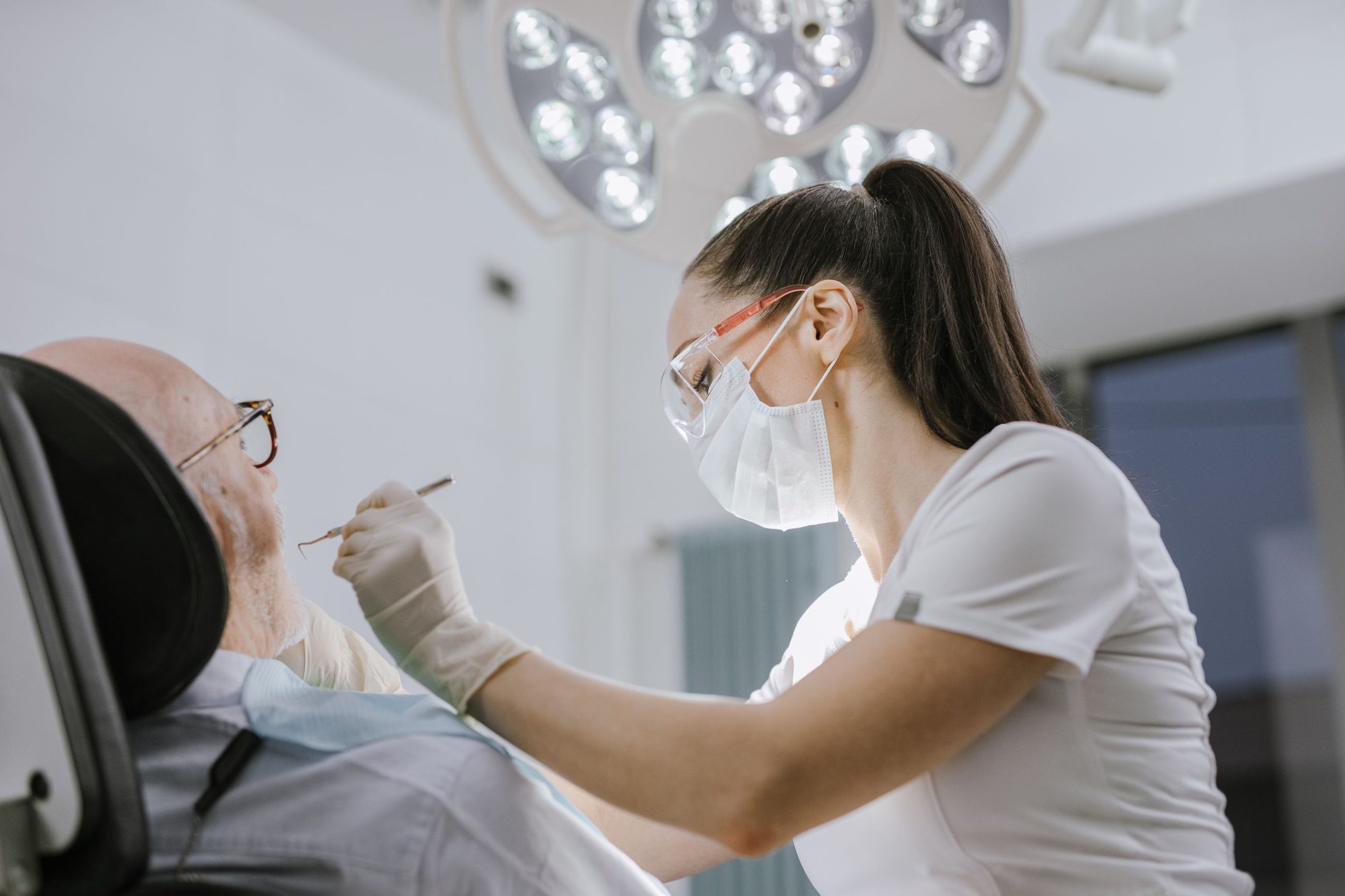
Bacteria are destroyed below the gum line and any diseased tissue that cannot recover is removed. A diode laser does much of this with less discomfort and faster healing.
- Step 03
Rebuilding the foundation
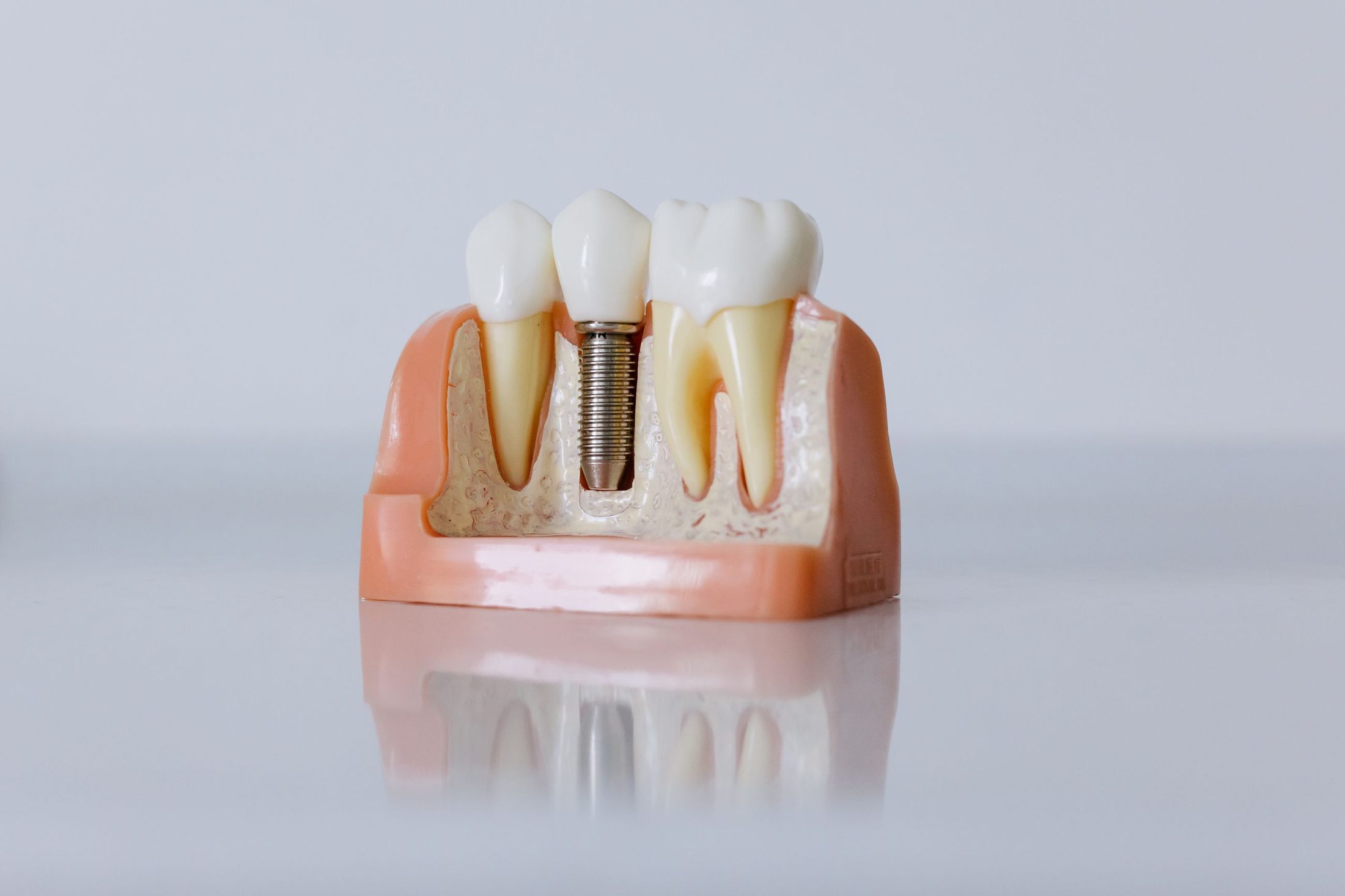
Where bone has been lost, it is rebuilt with grafting so the implant sits in solid support again.
- Step 04
Replacing, if needed
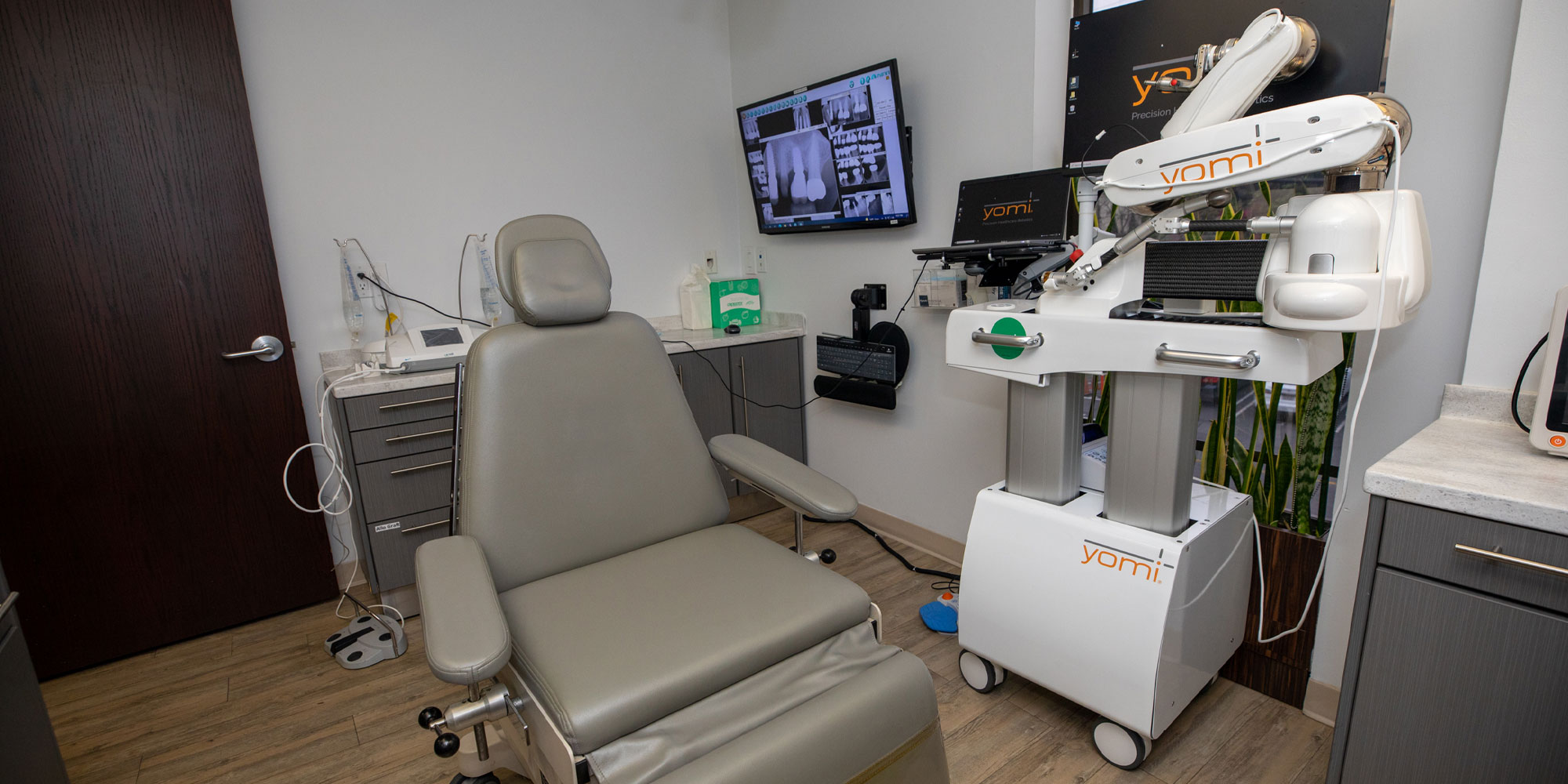
An implant that cannot be saved is removed, the site is grafted, and a new implant is planned and placed with Yomi® guidance once the bone has healed.
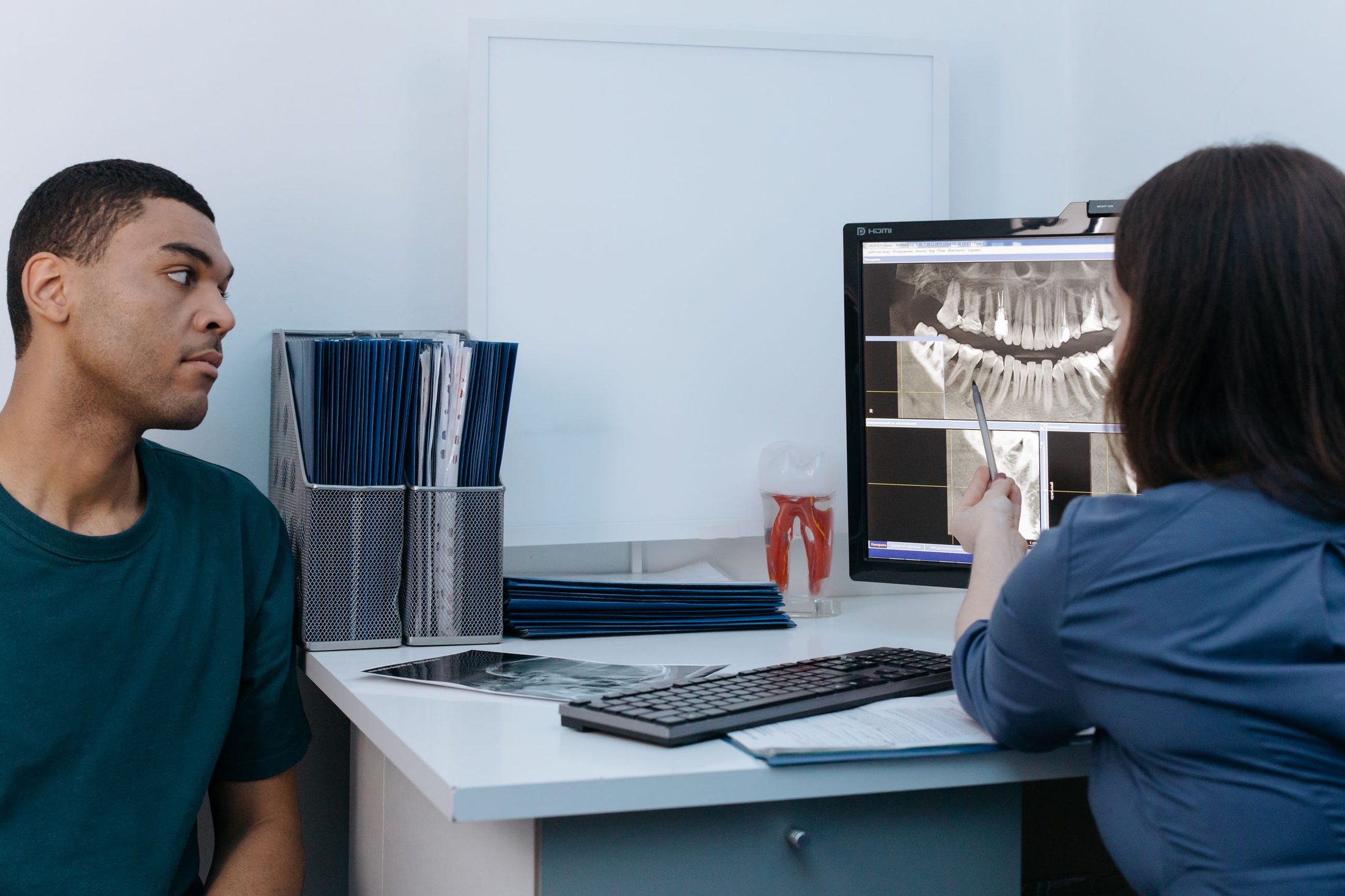
A second opinion worth the drive.
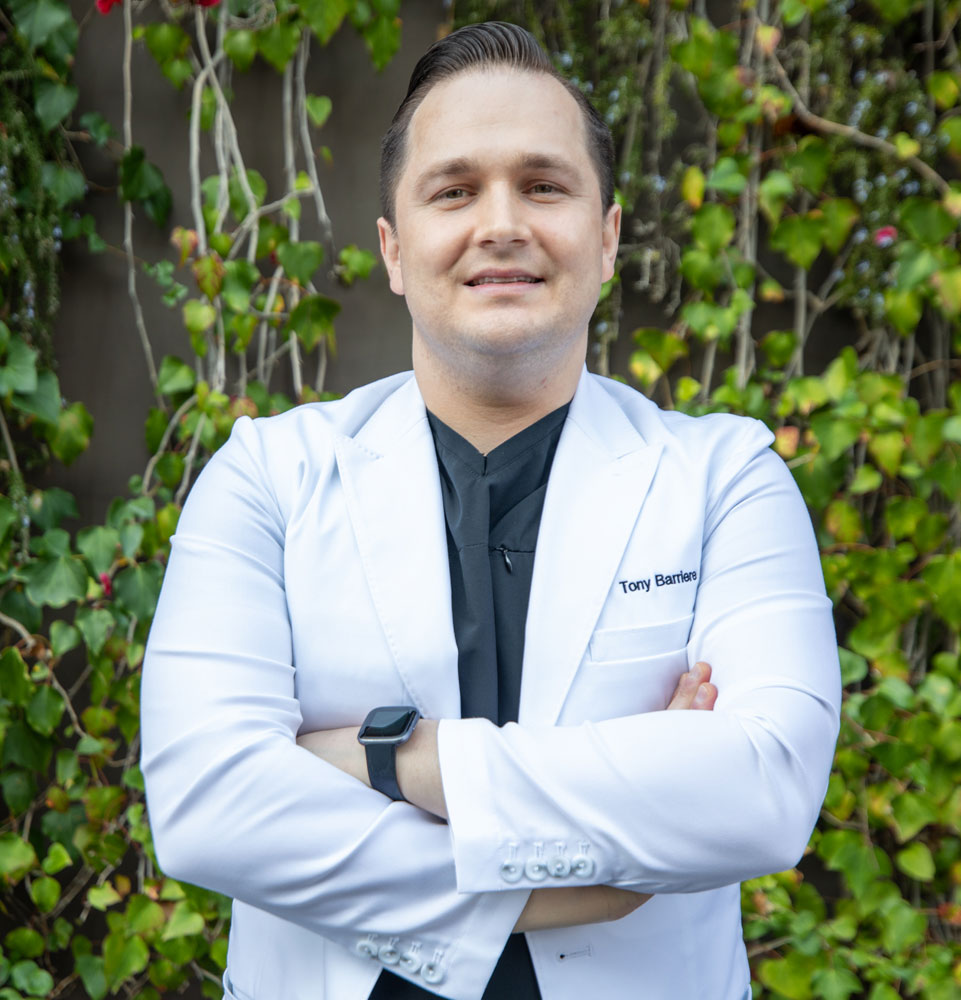
Dr. Barriere trained at The Ohio State University College of Dentistry and completed a yearlong surgical residency at NYU Langone Hospital. Patients come to him after being declined elsewhere: severe bone loss, failed grafts, implants placed by someone else. He reads the 3D scan himself, treats the infection, rebuilds the bone and, when an implant cannot be kept, plans and places its replacement.
- Ohio StateCollege of Dentistry
- NYU LangoneYearlong surgical residency
- 1,000+ hoursContinuing education
- AACD · AAID · ADAMemberships
Protecting the investment.
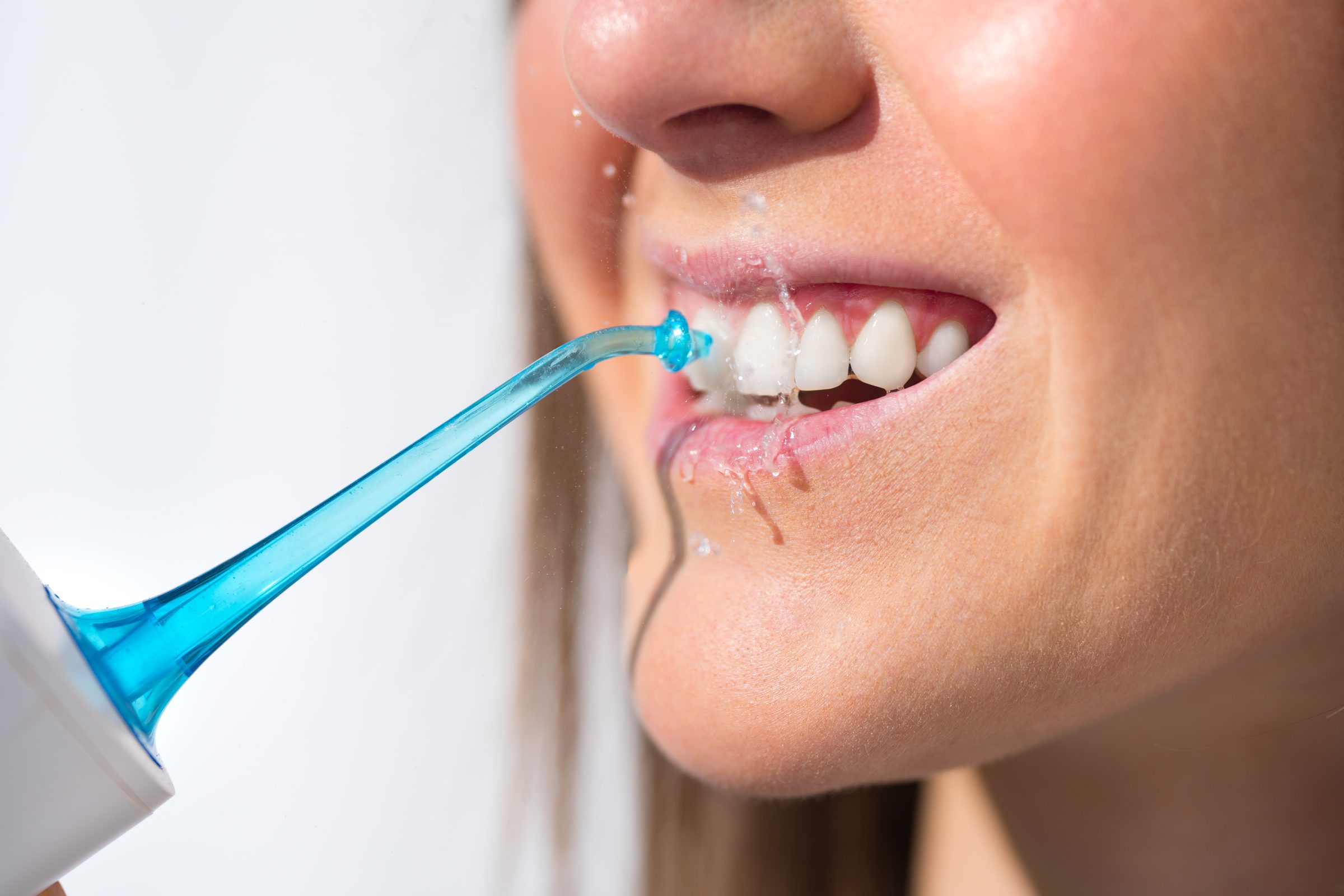
Implants do not decay. The gums around them still get gum disease, and the same habits that protect teeth protect implants.
Brush twice a day and floss once. Keep your hygiene visits. Tobacco is the single biggest avoidable risk for peri-implantitis.
If you are noticing any of the signs above, call. Early peri-implantitis is treated in one visit; late peri-implantitis may cost the implant.
- Brush and flossDaily, around every implant
- Hygiene visitsEvery six months
- No tobaccoThe biggest avoidable risk
- Call earlySooner is simpler
Failing implant questions.
Yes. Most failing implants the practice sees were placed elsewhere. The second opinion is free.
Not usually. If the infection is treated and the bone rebuilt, many implants are kept. An implant that has lost too much bone is removed, the site grafted, and a new one placed.
Infection of the gum and bone around an implant, caused by bacteria in plaque and tartar. It is the most common reason implants fail, and the one you have the most control over.
By destroying the bacteria below the gum line, removing diseased tissue, and rebuilding lost bone with grafting where needed. Sedation is available.
Gums that are sore, red or bleed around the implant, a bad taste, a deepening pocket, or the crown looking longer than it did. Looseness usually comes later. Any of these is a reason to be seen this week.
Most often infection around the implant, from plaque and tartar below the gum line. Poor grafting, an implant placed at the wrong angle, bad bridgework and tobacco all raise the risk.
It is done under local anesthetic, and sedation is available. A diode laser does much of the cleaning with less discomfort and faster healing than traditional methods.
Early peri-implantitis is often treated in one visit. Where bone has been lost, a graft heals for a few months before the implant is loaded or replaced. Your plan gives you the timeline after the scan.
It depends on what the scan shows, so it is quoted after the free second opinion. Insurance, five financing partners and the in-house savings plan are on the financing page.
Bring the implant.
A second opinion on a failing implant is free. A 3D scan, an honest read, and a plan to keep it or replace it.
Same-day emergency appointments