
Root Canal Therapy - Los Angeles, CA
When decay or a crack reaches the nerve inside a tooth, root canal therapy removes the infection and keeps the tooth, comfortably numbed.
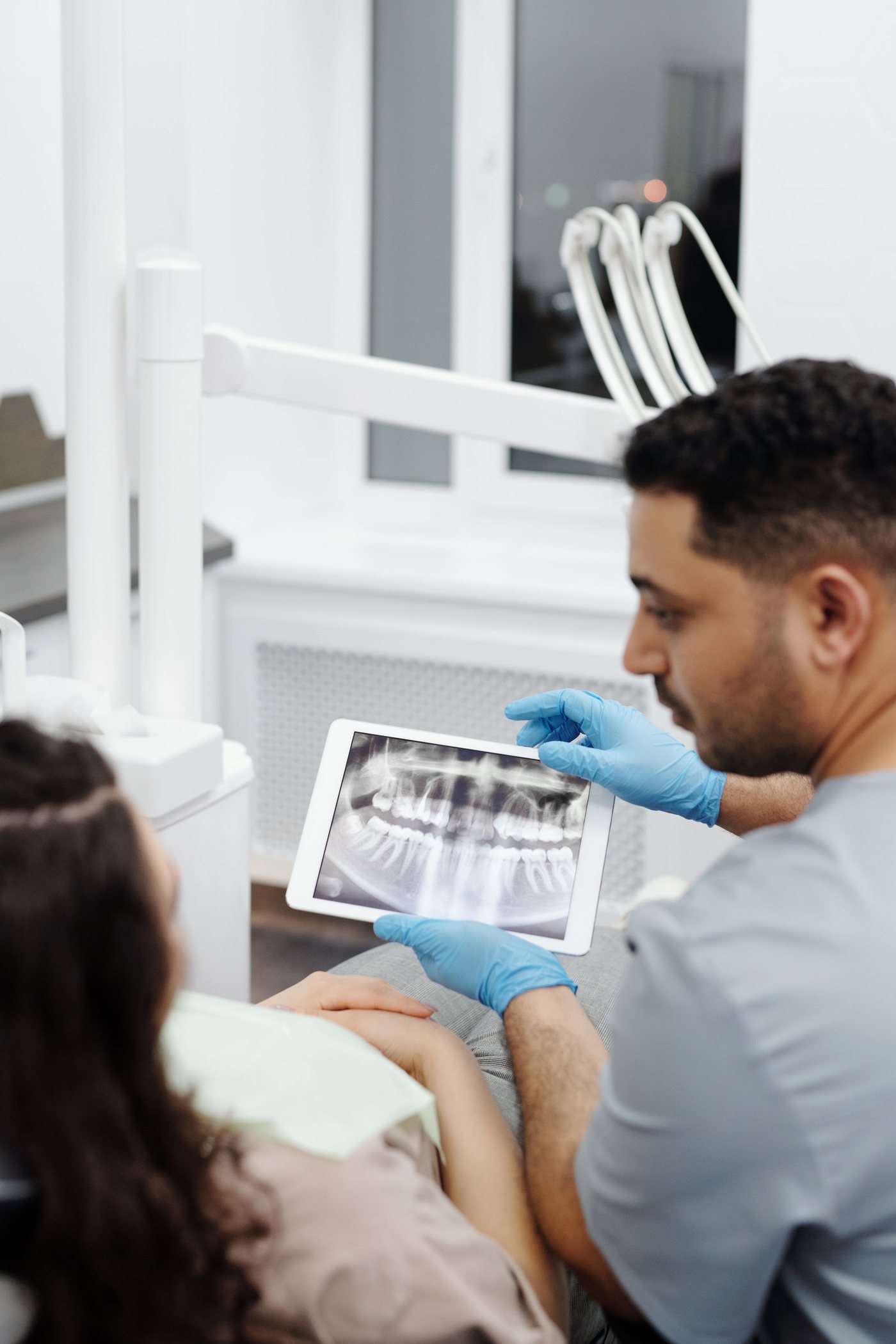

When a tooth may need a root canal.
Some infected teeth hurt, some do not. Any of these is a reason to be seen soon.
- 01Lingering painA toothache that does not go away.
- 02Hot and coldSensitivity that lasts after the drink is gone.
- 03Pain on bitingTenderness when you chew or press.
- 04SwellingIn the gum, the face or the jaw.
- 05A gum pimpleA small bump that drains near the tooth.
- 06A darkened toothGray or darker than its neighbors.
- 07A deep crackOr a large, old filling that broke.
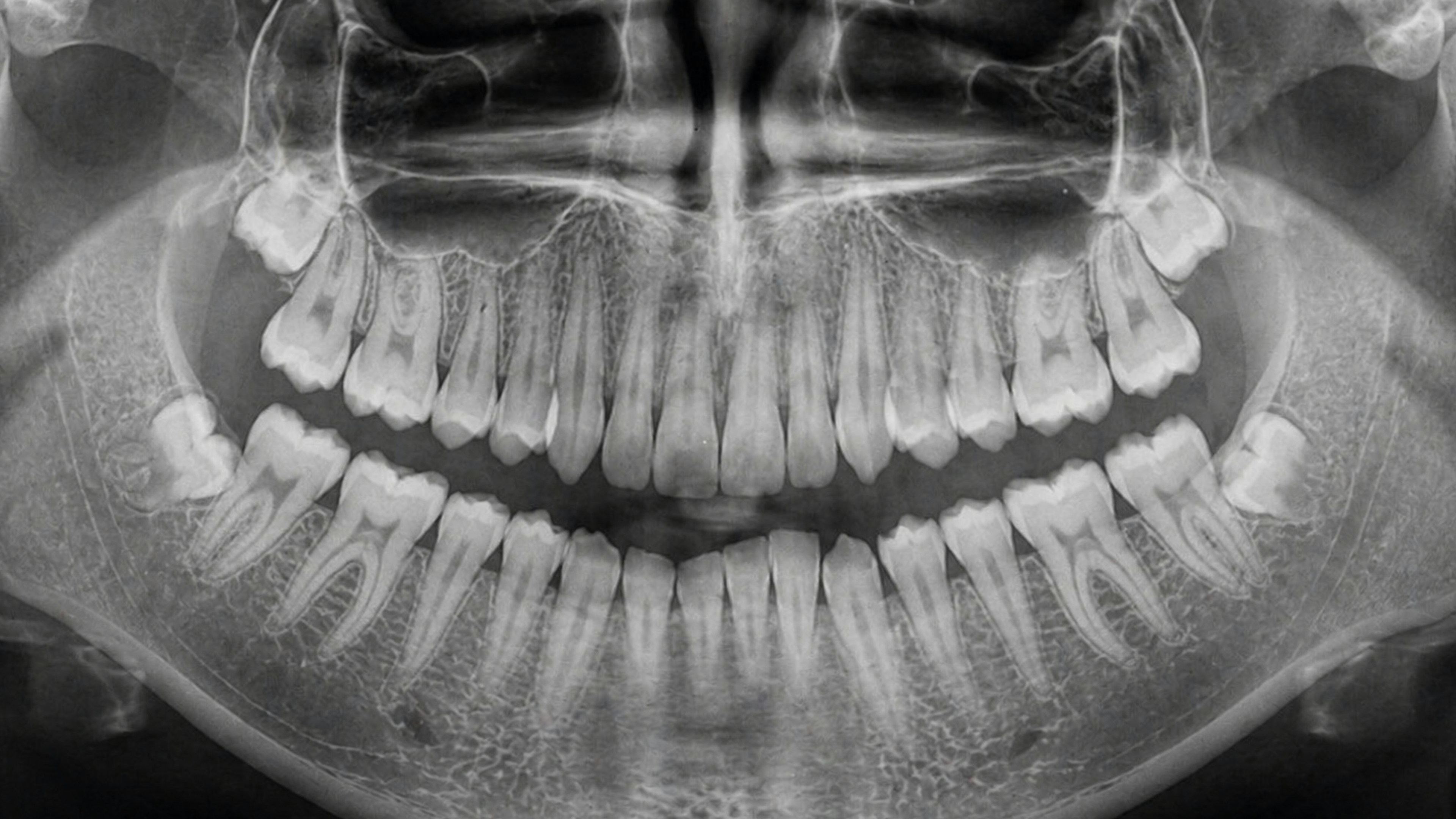
An infected tooth does not heal by itself. Pain that stops can mean the nerve has died.
Left alone, the infection spreads to the bone around the root and can become an abscess. Root canal therapy removes it and keeps your natural tooth, which is almost always better than losing it.
How a tooth is saved.
- Step 01
Diagnosis
An exam, digital X-rays and, when needed, a 3D cone-beam scan show the infection and the shape of the canals.
- Step 02
Numbing and comfort
The tooth is numbed with local anesthetic. Nitrous, oral or IV sedation is available if you are anxious.
- Step 03
Cleaning the canals
The infected pulp is removed, and the canals are cleaned, shaped and disinfected, then filled and sealed.
- Step 04
Restoring the tooth
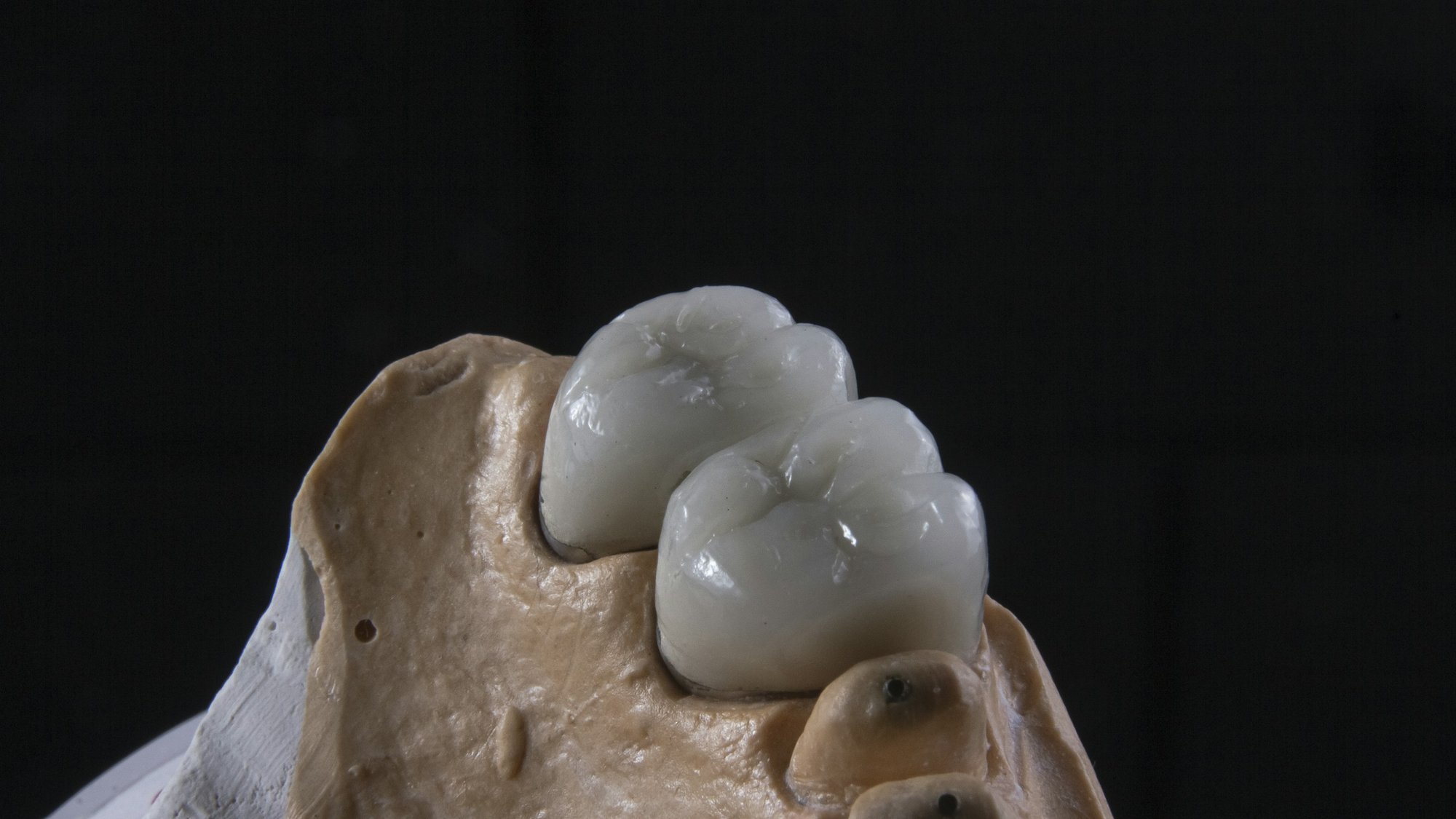
A crown usually follows to protect the tooth from cracking. Same-day crowns mean fewer visits.
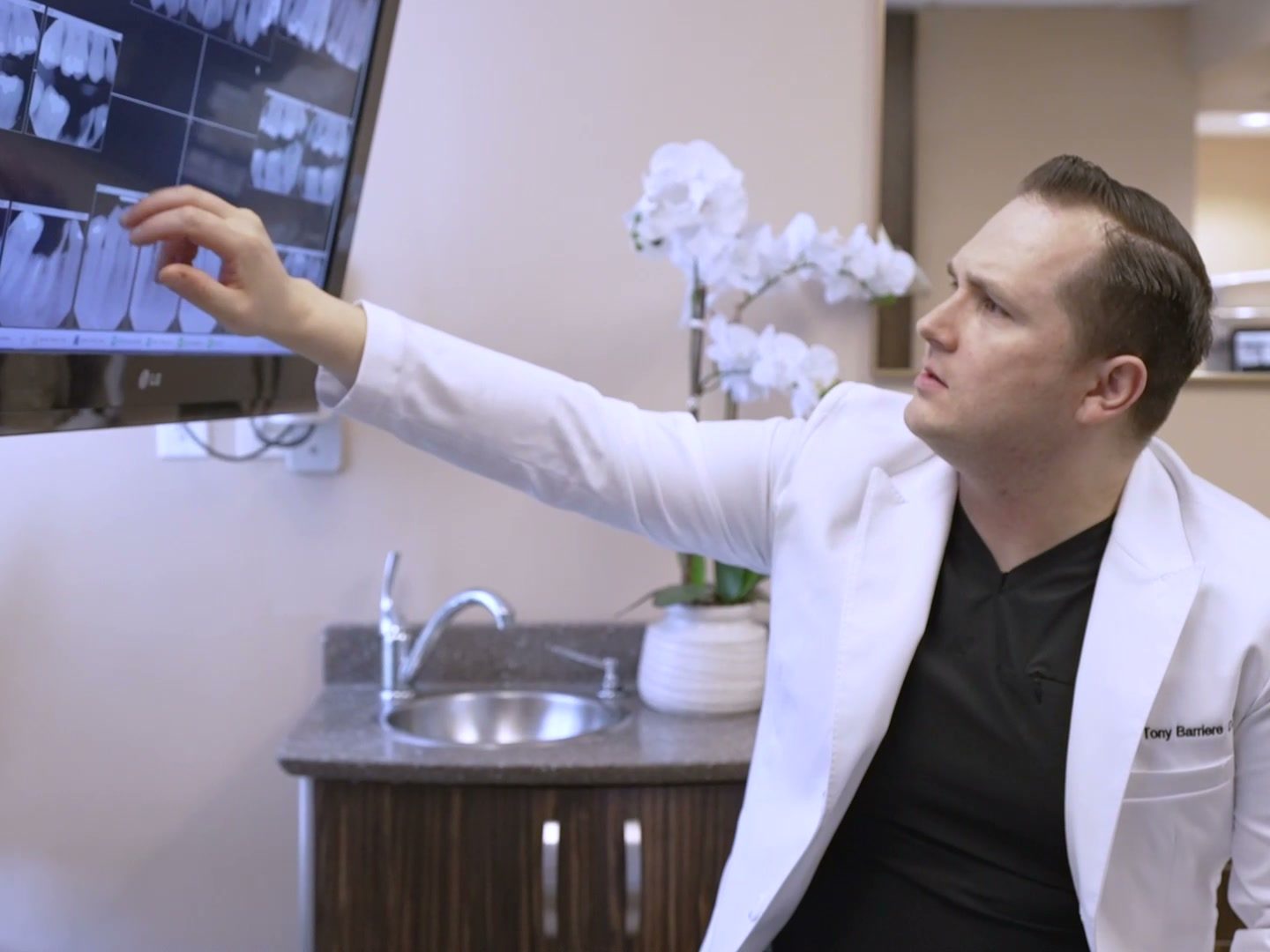


Gentle hands, and a plan for the tooth.
Dr. Barriere is experienced in root canal therapy, and his training in sedation dentistry makes it a comfortable visit. As an implant surgeon, he can also tell you honestly when a tooth is worth saving, and what replaces it when it is not.
- Ohio StateCollege of Dentistry
- NYU LangoneYearlong surgical residency
- 1,000+ hoursContinuing education
- AACD · AAID · ADAMemberships
After a root canal.
Most patients go back to work the next day. The tooth may feel tender for a few days.
Over-the-counter pain relief usually manages any soreness. Chew on the other side until the final crown is on, and keep brushing and flossing as normal.
Call if swelling increases, pain gets worse after a few days, or the temporary filling comes out. A treated tooth with a crown can last as long as your other teeth.
- Next dayBack to work, usually
- TenderFor a few days
- Other sideUntil the crown
- Call usIf swelling grows



Root canal questions.
The tooth is numbed first, and most patients say it feels like having a filling. The pain you may feel beforehand comes from the infection, which the treatment removes. Sedation is available.
Usually one or two visits of about an hour to an hour and a half, depending on the tooth and the number of canals.
Usually, especially on back teeth. A tooth that has had a root canal is more brittle, and a crown protects it from cracking.
Keeping your natural tooth is almost always better when it can be saved. An extraction leaves a gap that needs an implant or bridge to prevent shifting and bone loss.
Then it is removed, often with a socket graft to protect the bone, and replaced. Dr. Barriere places implants, so the plan for the replacement is made before the tooth comes out.
Lingering pain, sensitivity to hot or cold that lasts, pain on biting, swelling, a pimple on the gum, or a tooth that has darkened. Some infected teeth have no symptoms and show up only on an X-ray.
Once the numbness wears off. Chew on the other side until the final crown is in place.
Most PPO plans cover part of it. The practice is in network with most PPO carriers and files the claim for you.
Keep the tooth.
Tell us where it hurts and since when. Same-day and next-day appointments are kept for pain. The team replies within one business day.
Same-day emergency appointments