
Invisalign® Clear Aligners - Los Angeles, CA
Clear, removable aligners that move crooked, crowded or gapped teeth into place, with your finished smile shown on screen before you start.


What aligners can correct.
Virtually all patients are candidates when no complex bite problem is present. The evaluation tells you which of these is yours.
- 01Crowded teethToo little room, teeth overlapping or turned.
- 02GapsSpaces between teeth, including the front two.
- 03OverbiteUpper front teeth far ahead of the lower.
- 04UnderbiteLower teeth sitting ahead of the upper.
- 05CrossbiteSome upper teeth biting inside the lower.
- 06Open biteFront teeth that do not meet when you bite.
- 07RelapseTeeth that moved after braces years ago.
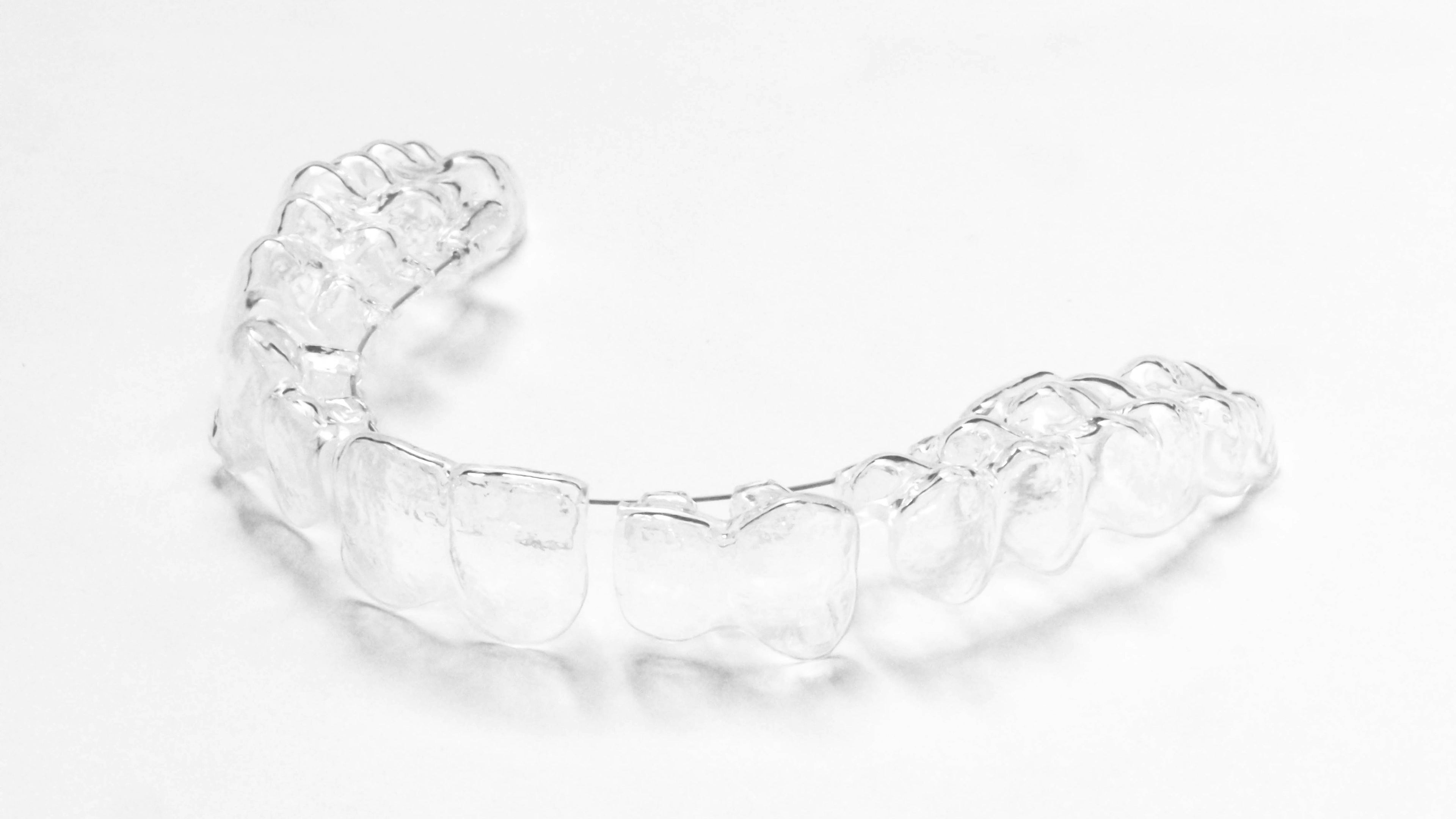
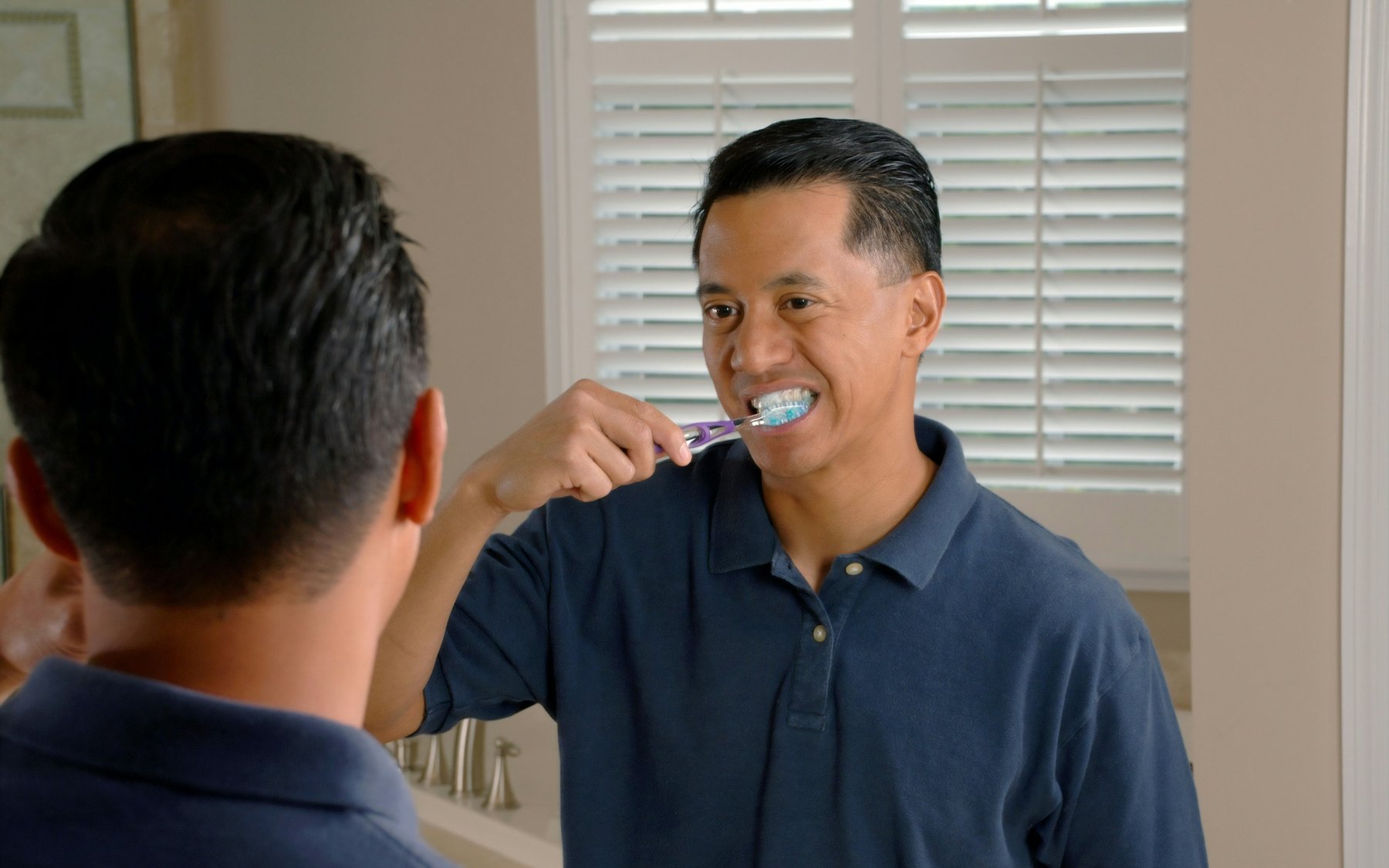
Crooked teeth are not only a cosmetic problem. They trap plaque where a toothbrush cannot reach.
Plaque that hardens into tartar between crowded teeth causes cavities and gingivitis, the first stage of gum disease. A bad bite can mean grinding, clenching and jaw pain. Straight teeth are easier to clean and meet the way they should.
From scan to straight.
- Step 01
The evaluation
Dr. Barriere checks your teeth, gums and bite and confirms you are a candidate. Any cavity or gum problem is treated first.
- Step 02
The scan and the simulation
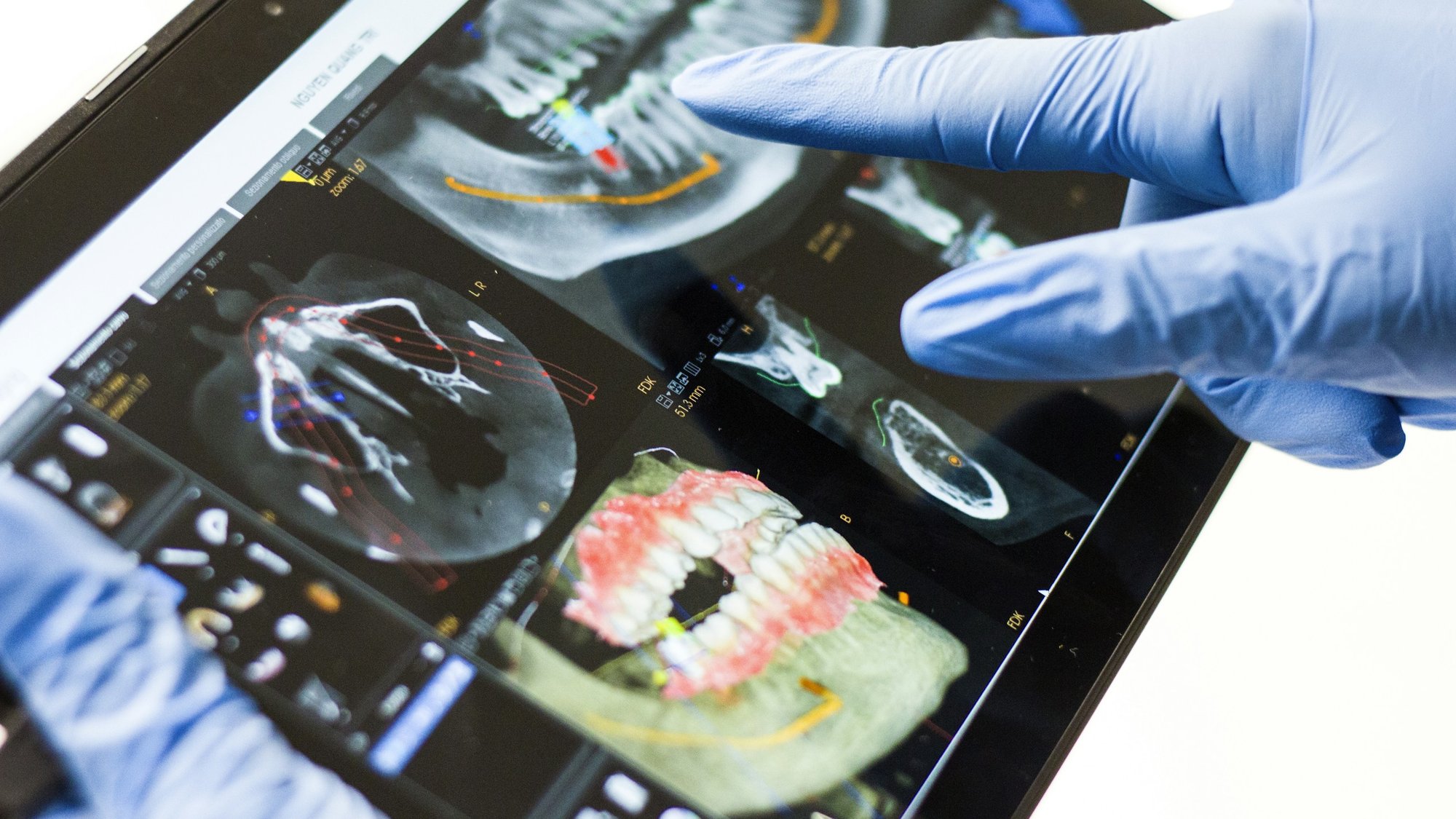
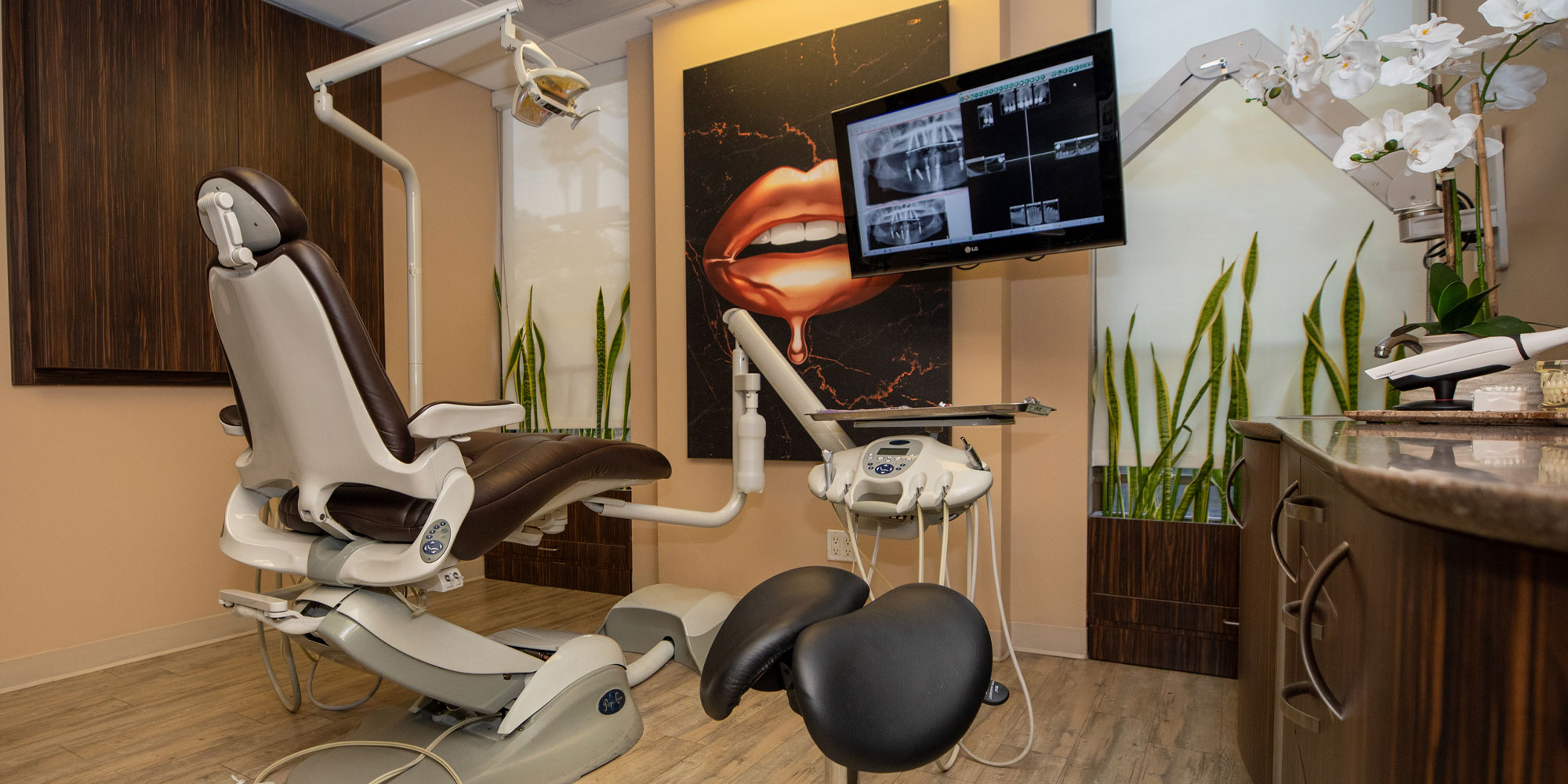
A digital scan replaces messy impressions. From it, smile simulation shows how your teeth will move and where they will finish, before you commit.
- Step 03
Wearing the aligners
A new set every week or two, worn 20 to 22 hours a day. Take them out to eat, drink anything but water, brush and floss. Short check-ins follow the progress.
- Step 04
Keeping the result
When the last set is done, a retainer holds the teeth where they now are. Worn as advised, it helps keep the result.
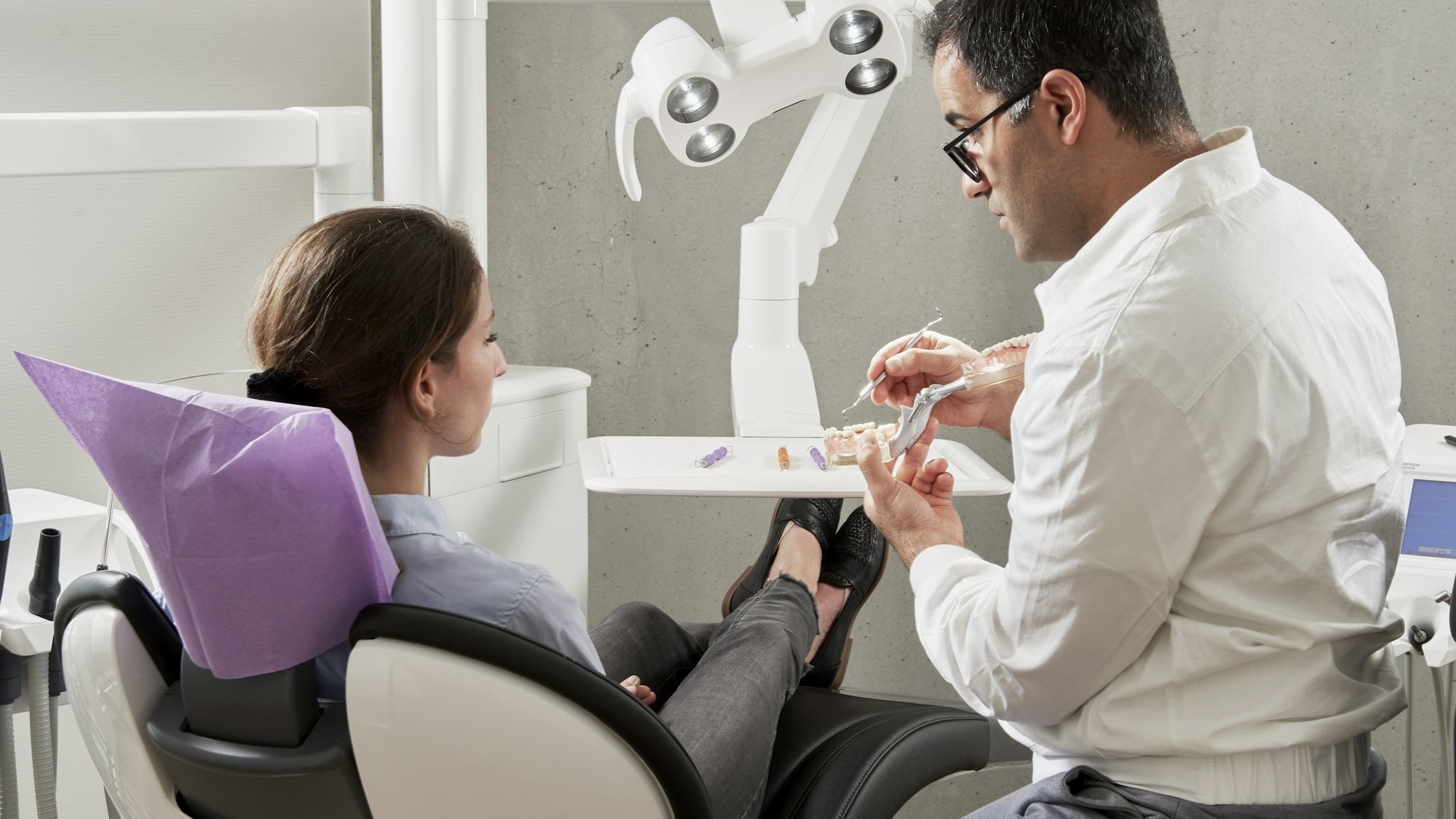


A cosmetic dentist who plans the whole smile.
Dr. Barriere is trained and certified in Invisalign® and monitors every case himself. Because he also places veneers, crowns and implants, he can tell you when aligners alone will get the result you want, and when they will not.
- Ohio StateCollege of Dentistry
- NYU LangoneYearlong surgical residency
- 1,000+ hoursContinuing education
- AACD · AAID · ADAMemberships
Living with aligners.
There are no foods to give up and no brackets to clean around. The habit to build is putting them back in.
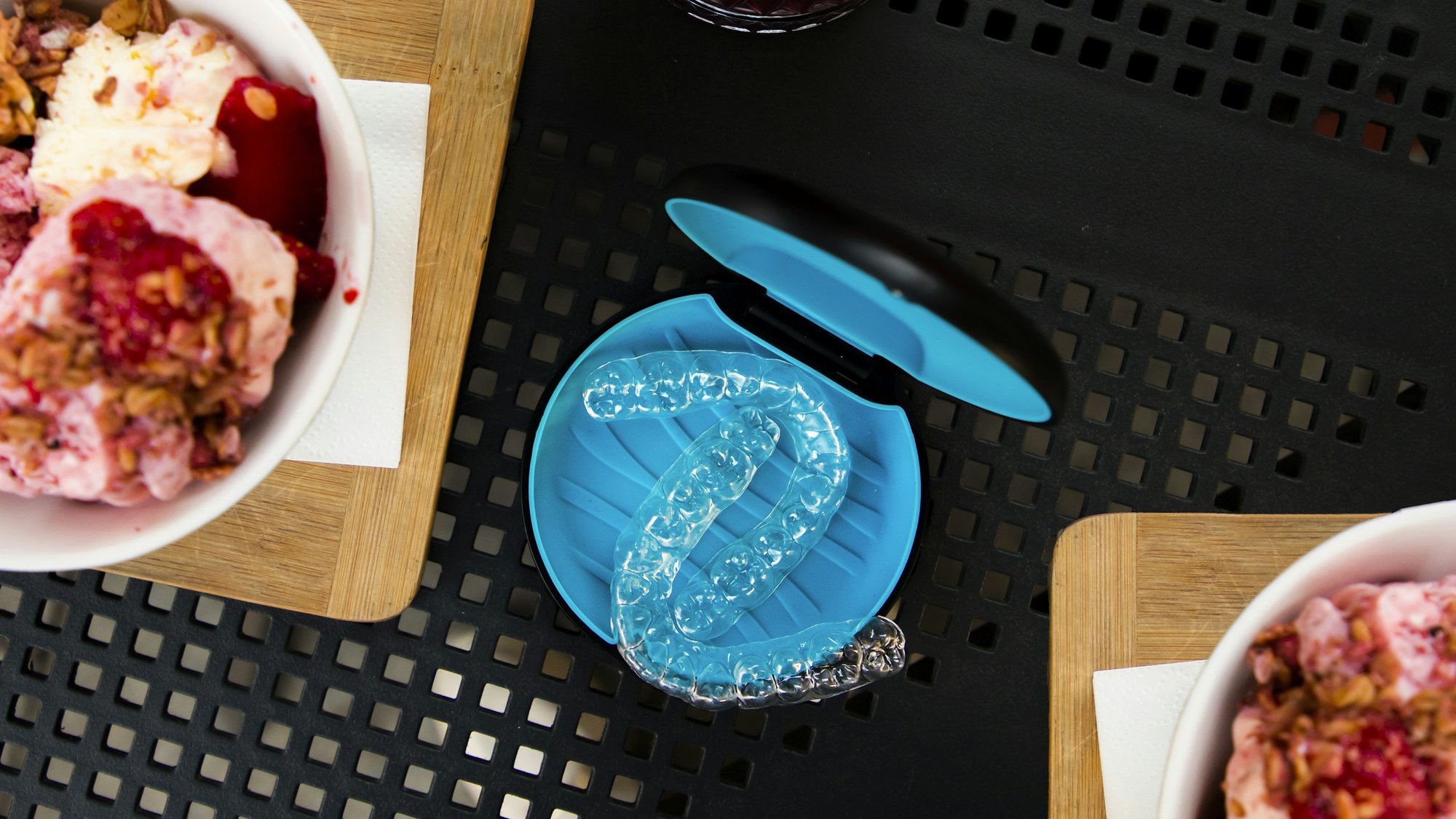
Take the aligners out for meals and anything but water, brush before they go back in, and rinse them each time. Keep the case with you: most lost aligners were wrapped in a napkin.
Expect a little pressure for a day or two with each new set. It means the teeth are moving. If an aligner cracks or no longer fits, call and the team will advise.
- Out to eatEat what you like
- Brush firstThen put them back
- Keep the caseNever a napkin
- 20 to 22 hrsEvery day


Invisalign questions.
Virtually all patients are, when no complex bite problem is present. Crowding, gaps, overbites, underbites, crossbites and open bites are commonly treated with aligners. The evaluation confirms it, and if another approach would serve you better, Dr. Barriere will say so.
It depends on how far the teeth need to move. Treatment typically runs from a few months for minor spacing to about two years for more complex cases. The simulation at your evaluation gives you an estimate for your own teeth.
Most patients feel pressure, not pain, for a day or two after switching to a new set. There are no wires to tighten and no brackets to rub the cheeks.
Take them out to eat and to drink anything but plain water, then brush before you put them back in. That is the whole rule, and it is why there is no list of foods to avoid.
20 to 22 hours a day. The teeth only move while the aligners are in, so time out of the mouth is time added to treatment.
It can be. The practice sees patients from 12 years old who can sit for a dental exam, and aligners suit teens who will keep them in for the hours they need.
Yes. Teeth tend to drift back, and a retainer worn as advised holds them where treatment put them.
Some PPO plans include an orthodontic benefit that applies to Invisalign®. The team checks your plan and files the claim. Without insurance, the savings plan includes a discount on Invisalign®, and monthly financing is available.
Aligners move your own teeth; veneers cover them. For crowding or a bad bite, aligners treat the cause. For chips, stains or worn edges, veneers do what aligners cannot. Some smiles need both, in that order.
See your straight smile first.
An evaluation, a scan and a simulation of your finished smile, with time to ask Dr. Barriere anything. The team replies within one business day.
Same-day emergency appointments