
Dental Cleanings & Exams - Los Angeles, CA
A hygienist cleaning, digital X-rays, an oral cancer screening and an exam by Dr. Barriere, so small problems are found while they are still small.


What a check-up covers.
Each visit is tailored to you, and most take about an hour.
- 01Health reviewMedications, changes and anything that hurts.
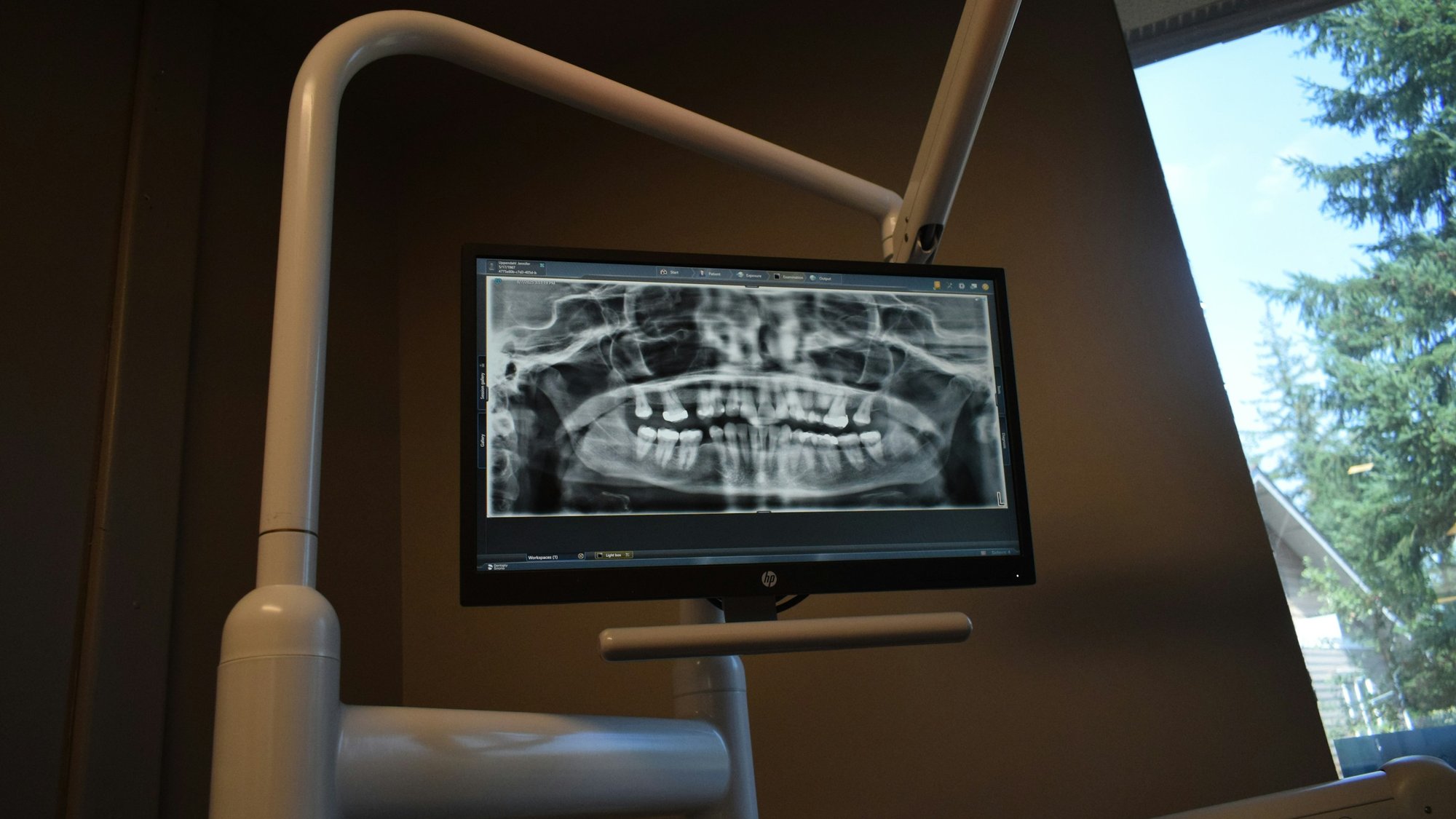
- 02Digital X-raysDecay between teeth and below the gum line.
- 03Gum measurementsThe depth of the pockets around each tooth.
- 04Oral cancer screeningThe tongue, cheeks, palate and throat.
- 05ScalingPlaque and tartar removed above and below the gum.
- 06Polish and fluorideSurface stains lifted, enamel strengthened.
- 07The doctor’s examEvery tooth, filling, crown and implant checked.
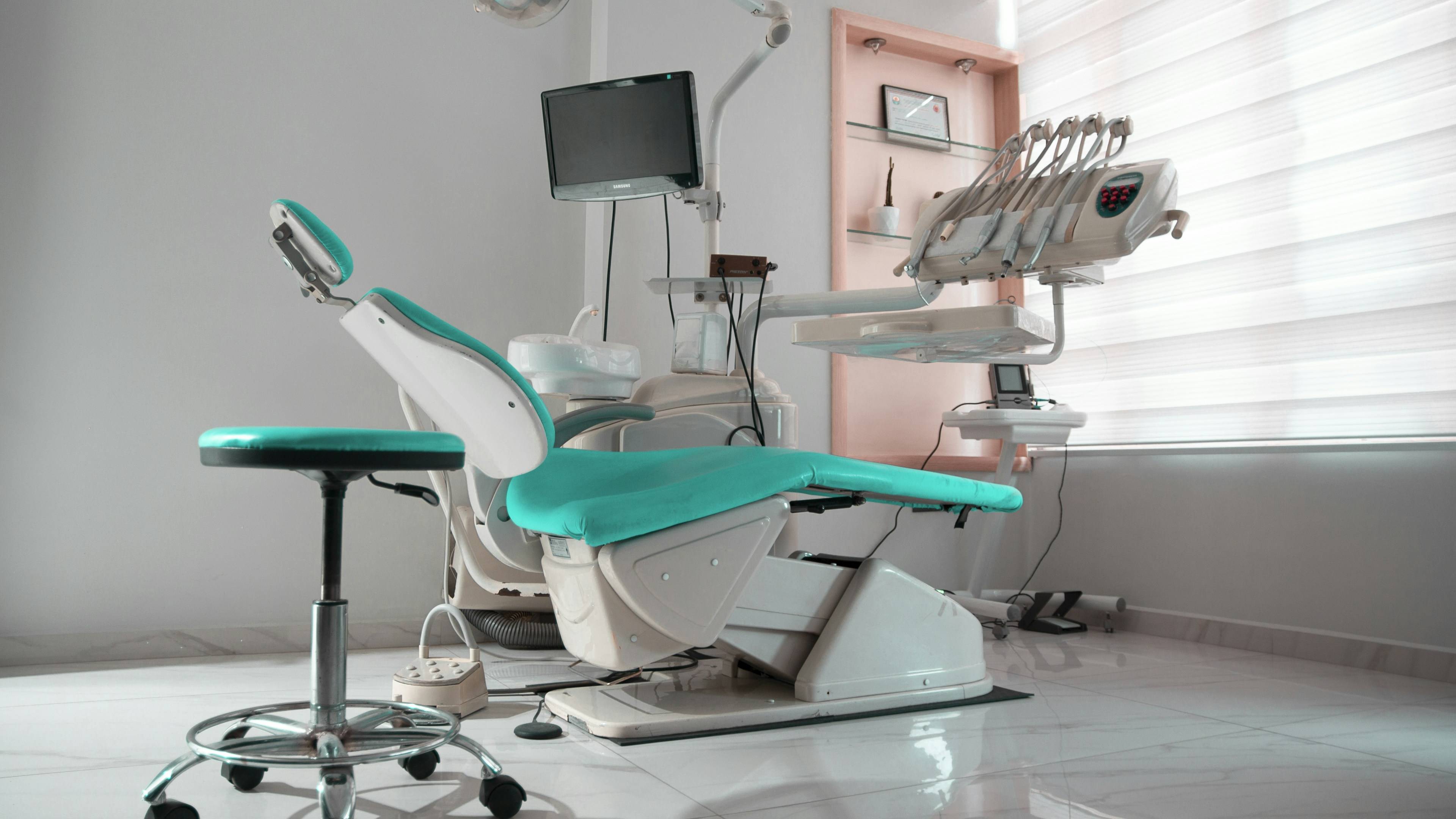
Most serious dental problems began as small ones that nobody looked at.
Tartar cannot be brushed off at home, and early decay and gum disease rarely hurt. A cleaning removes what builds up; the exam catches what is starting. Two visits a year cost far less than the crowns, root canals and implants they prevent.
Your visit, step by step.
- Step 01
Arriving
The front desk greets you, confirms your insurance and health history, and can send the forms ahead so you fill them in at home.
- Step 02
X-rays and screening
Digital X-rays when they are due, then an oral cancer screening and gum measurements.
- Step 03
The cleaning
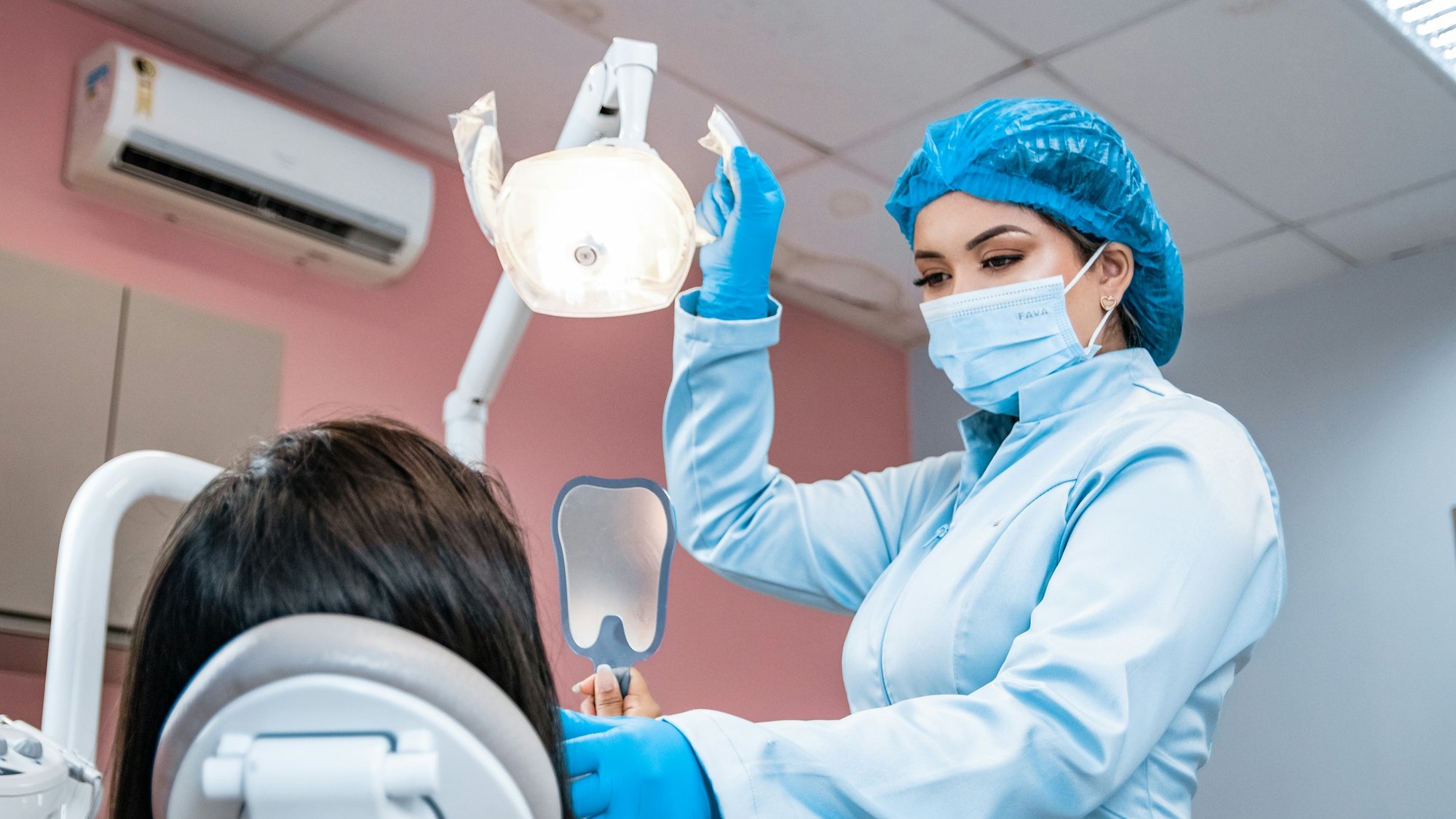
The hygienist removes plaque and tartar, polishes, and shows you any spots your brush is missing.
- Step 04
The exam and the plan
Dr. Barriere examines every tooth and goes over what he sees. If treatment is needed, you leave with a written plan and a quote. If not, your next visit is booked.

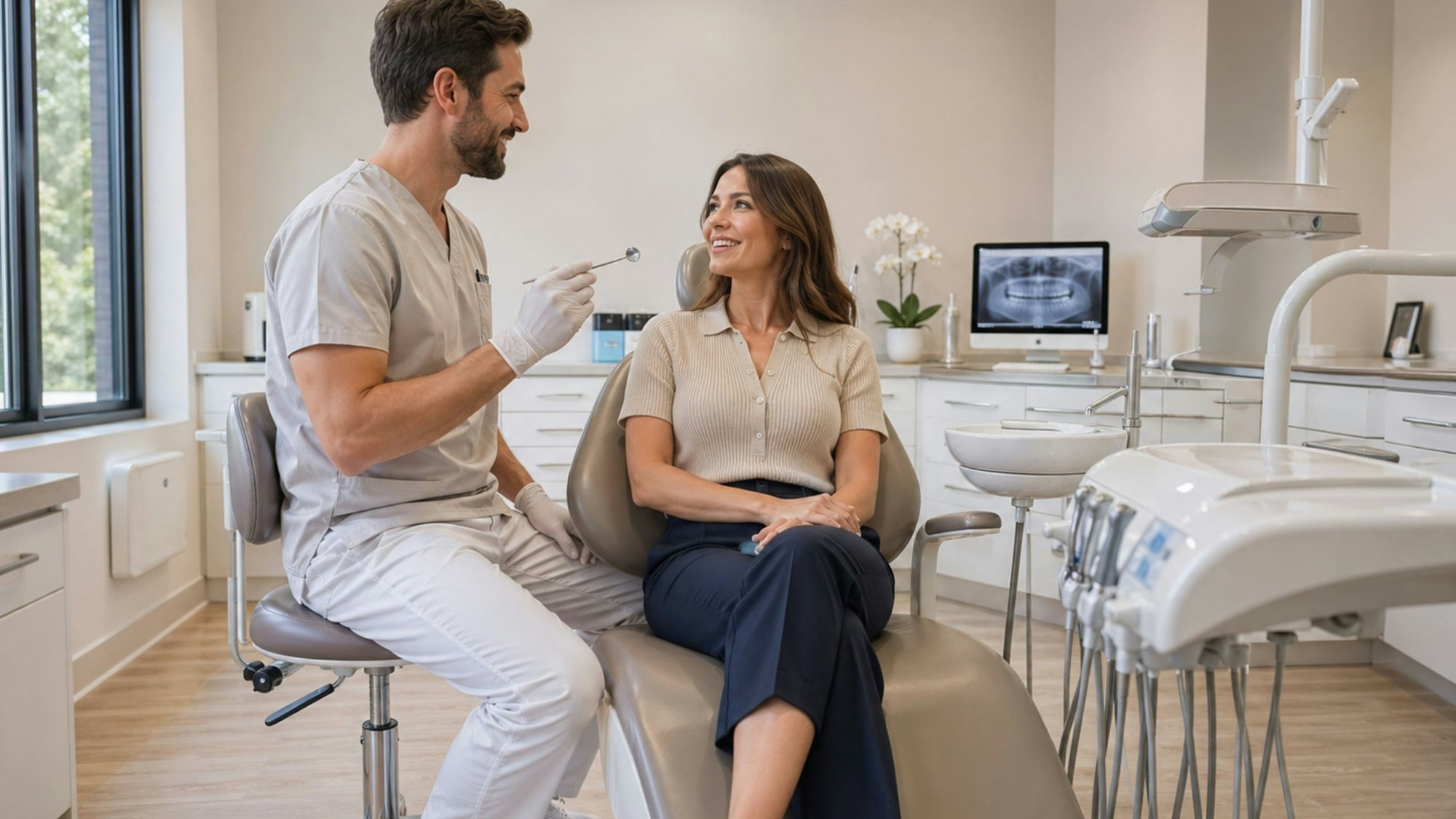
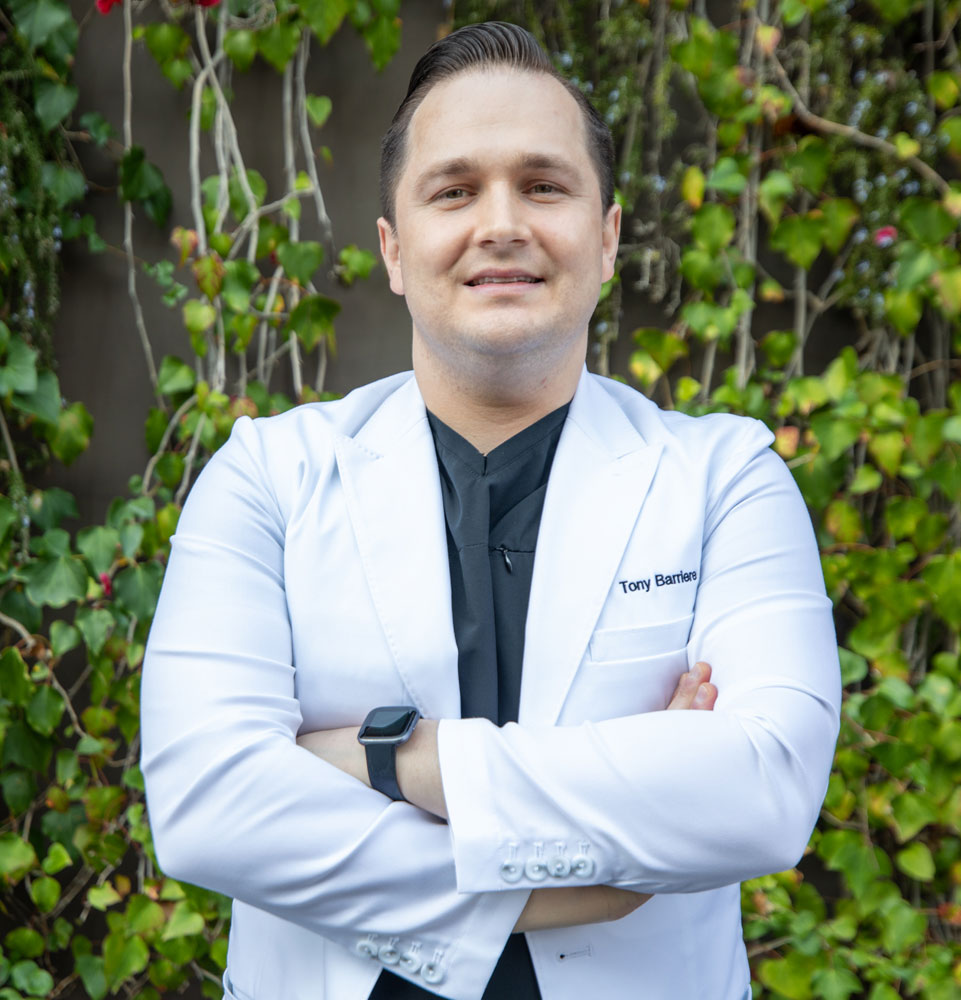
Your check-up, with Dr. Barriere.
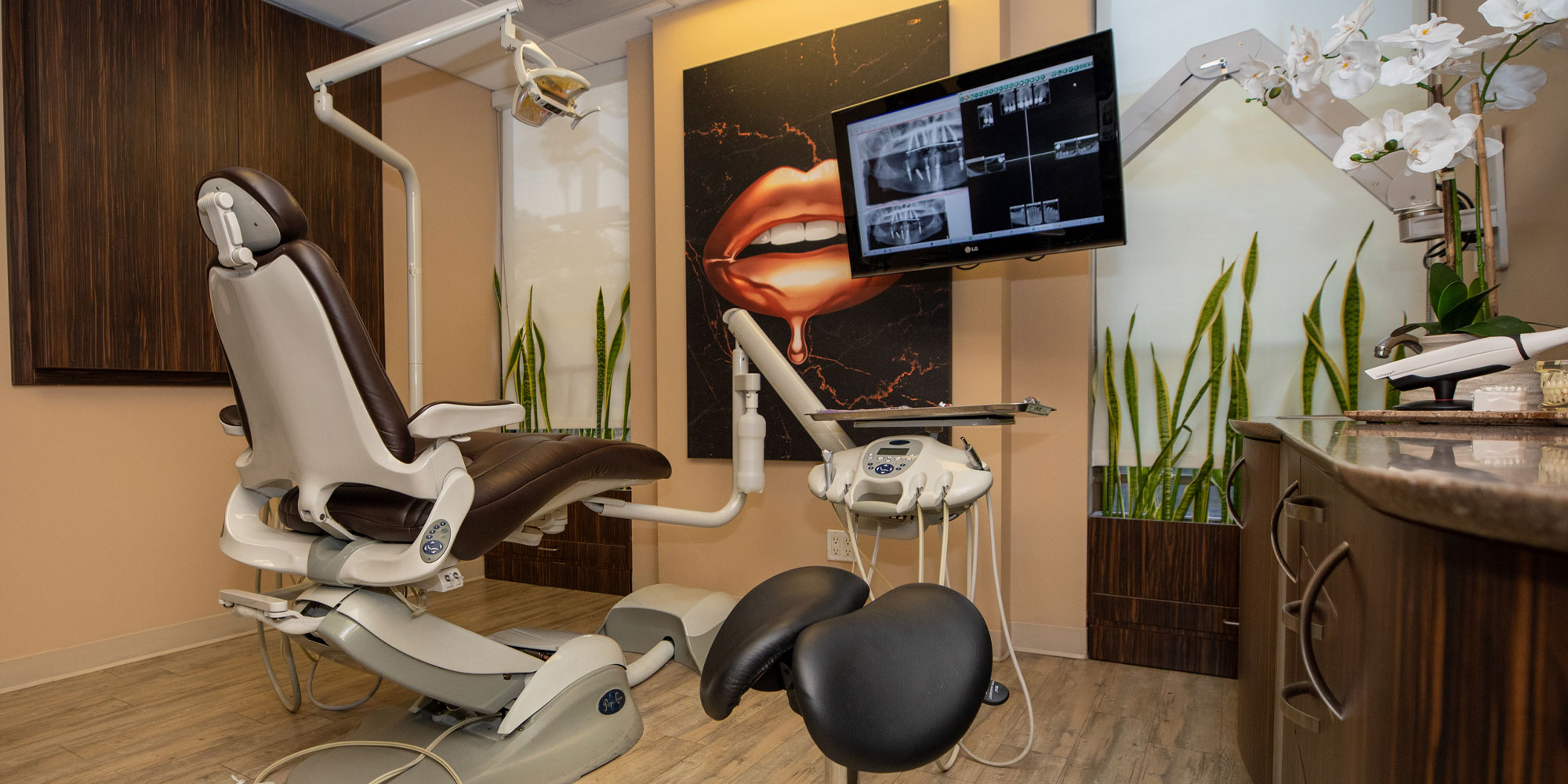
Dr. Barriere uses the same technology for a routine cleaning as for full mouth reconstruction, and examines every patient himself. The cone-beam scanner and intraoral cameras that plan implants also catch problems early.
- Ohio StateCollege of Dentistry
- NYU LangoneYearlong surgical residency
- 1,000+ hoursContinuing education
- AACD · AAID · ADAMemberships
What you do at home.
The cleaning resets your mouth. The six months in between are up to you.
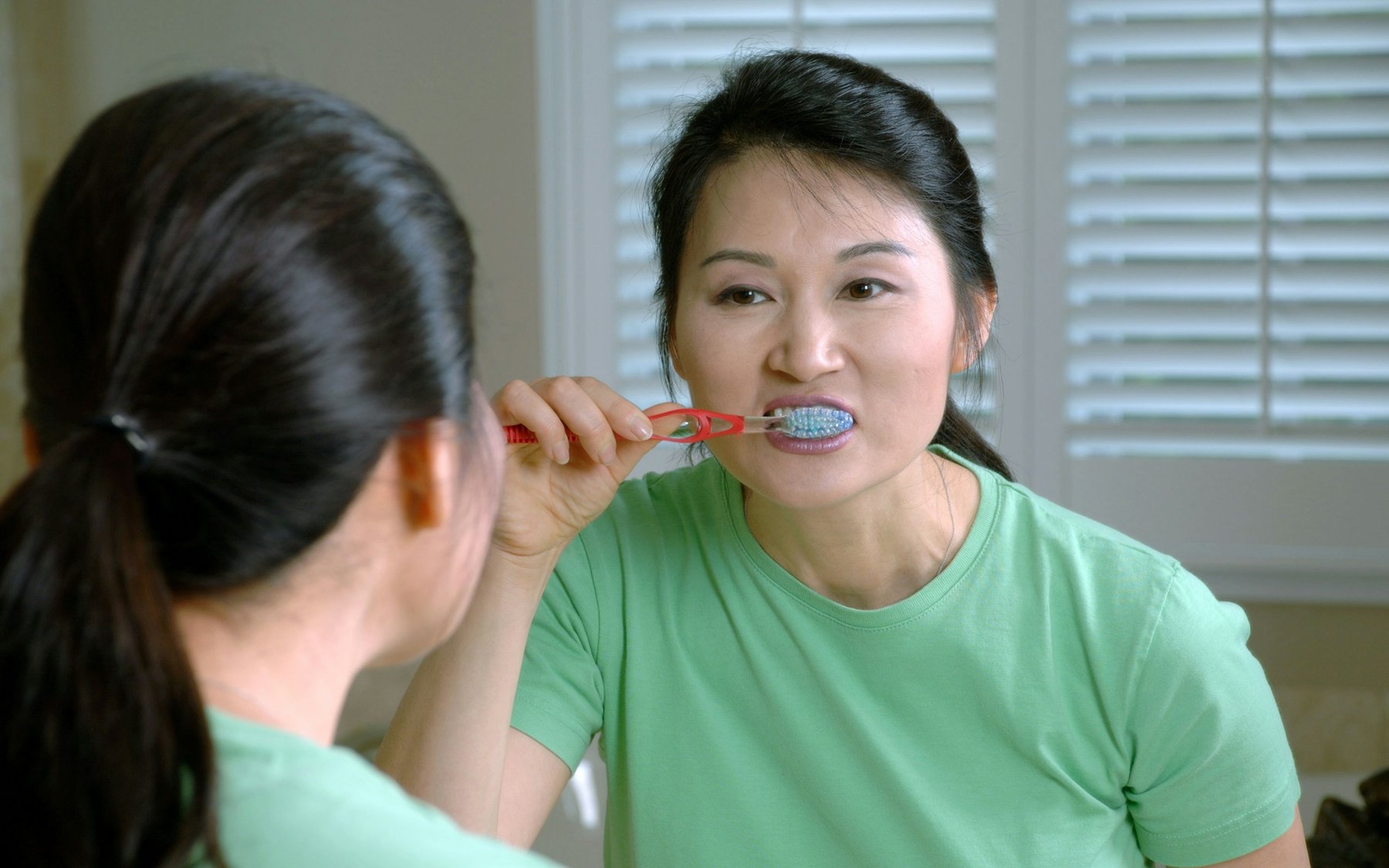
Brush twice a day for two minutes with a fluoride toothpaste, and floss or use interdental brushes once a day. Cut down on sugary drinks and snacks between meals.
Bleeding when you brush is not normal. It is often the first sign of gum disease, and the earlier it is treated, the simpler the treatment.
- BrushTwice a day, two minutes
- FlossOnce a day
- Fewer sweetsBetween meals
- Bleeding gumsTell us early


Cleaning and exam questions.
Twice a year for most people, more often with periodontal disease. The exam sets the interval that fits your mouth.
A routine cleaning should not. If your gums are sensitive or tartar has built up, tell the hygienist; the area can be numbed, and sedation is available for nervous patients.
About an hour for a cleaning and exam. A first visit with a full set of X-rays can take a little longer.
Digital X-rays use a very low dose of radiation, and they are taken only when they are due, not at every visit.
A check of the tongue, cheeks, palate, gums and throat for changes that need a closer look. It takes a few minutes and is part of every exam.
You are welcome, and there is no lecture. The first visit shows where things stand, and the plan starts with what matters most.
Yes. We see children, adults and seniors. Children should be at least 12 years old and able to sit for a dental exam.
Most PPO plans cover two cleanings and exams a year. The practice is in network with most PPO carriers and files claims for you. Without insurance, the savings plan includes exams and cleanings.
When gum pockets are deep, tartar is removed from the roots below the gum line, usually with the area numbed. It treats gum disease that a routine cleaning cannot reach.
Book your next cleaning.
New and returning patients, children from 12, adults and seniors. The team replies within one business day.
Same-day emergency appointments